5D – 4N | Dehradun to Dehradun






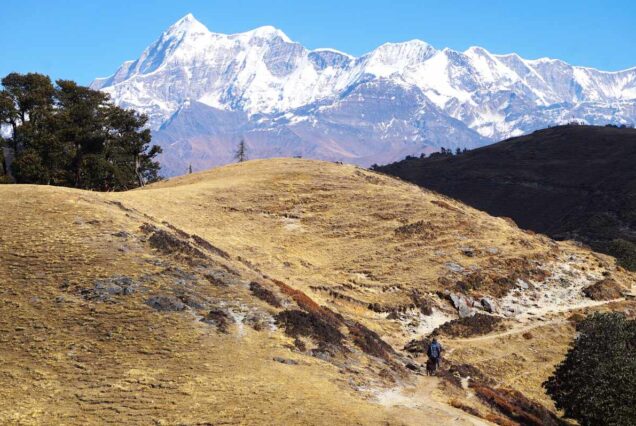
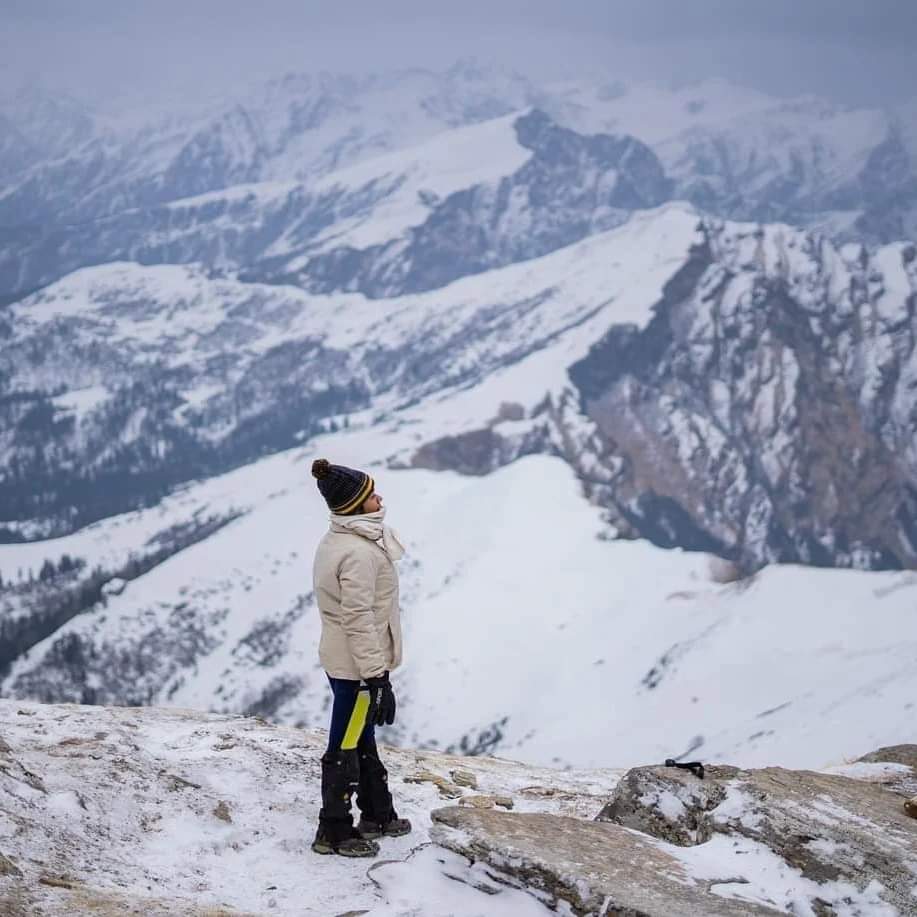
The Kedarkantha Trek is one of the most loved Himalayan treks, often called the “Queen of Winter Treks” for its stunning snowy landscapes and breathtaking summit climb. Situated inside the Govind Pashu Vihar National Park in Uttarkashi district of Uttarakhand, Kedarkantha stands tall at an altitude of 12,500 feet (3,800 m). It is among the rare beginner-friendly treks in India where trekkers can enjoy a complete summit experience with panoramic views of some of the most majestic Himalayan peaks, including Swargarohini, Bandarpoonch, Black Peak (Kala Nag), Ranglana, and several others.
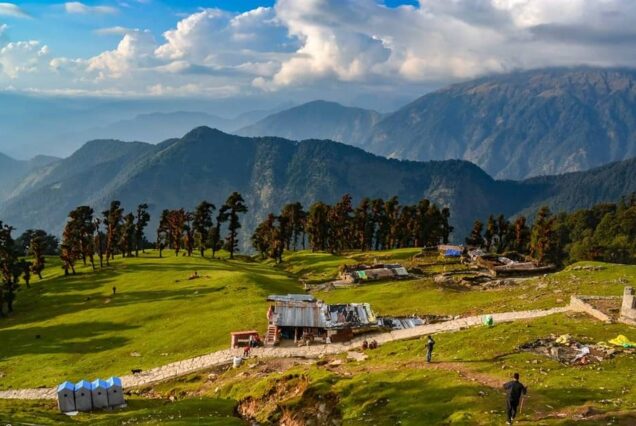
The charm of Kedarkantha lies in its variety of landscapes. The trail begins from Sankri village, a quaint settlement at 6,400 feet, and passes through dense pine and oak forests that often look like they are straight out of a fairytale. As trekkers move higher, they come across the serene Juda Ka Talab, a high-altitude lake surrounded by forests and meadows that transforms into a frozen wonderland in winter. Further ahead, open clearings and snow-covered trails lead to the breathtaking summit ridge, offering a 360-degree view of over 13 Himalayan peaks.
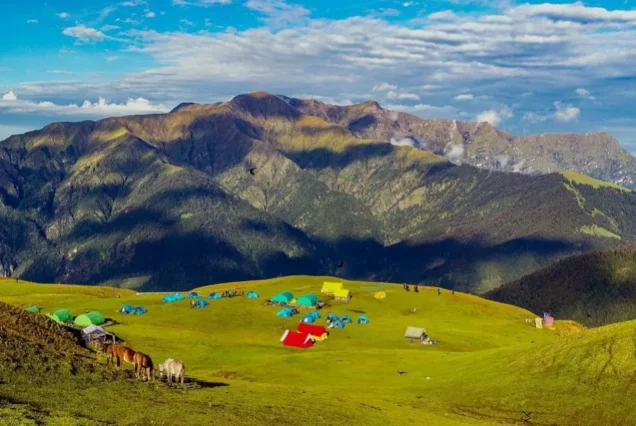
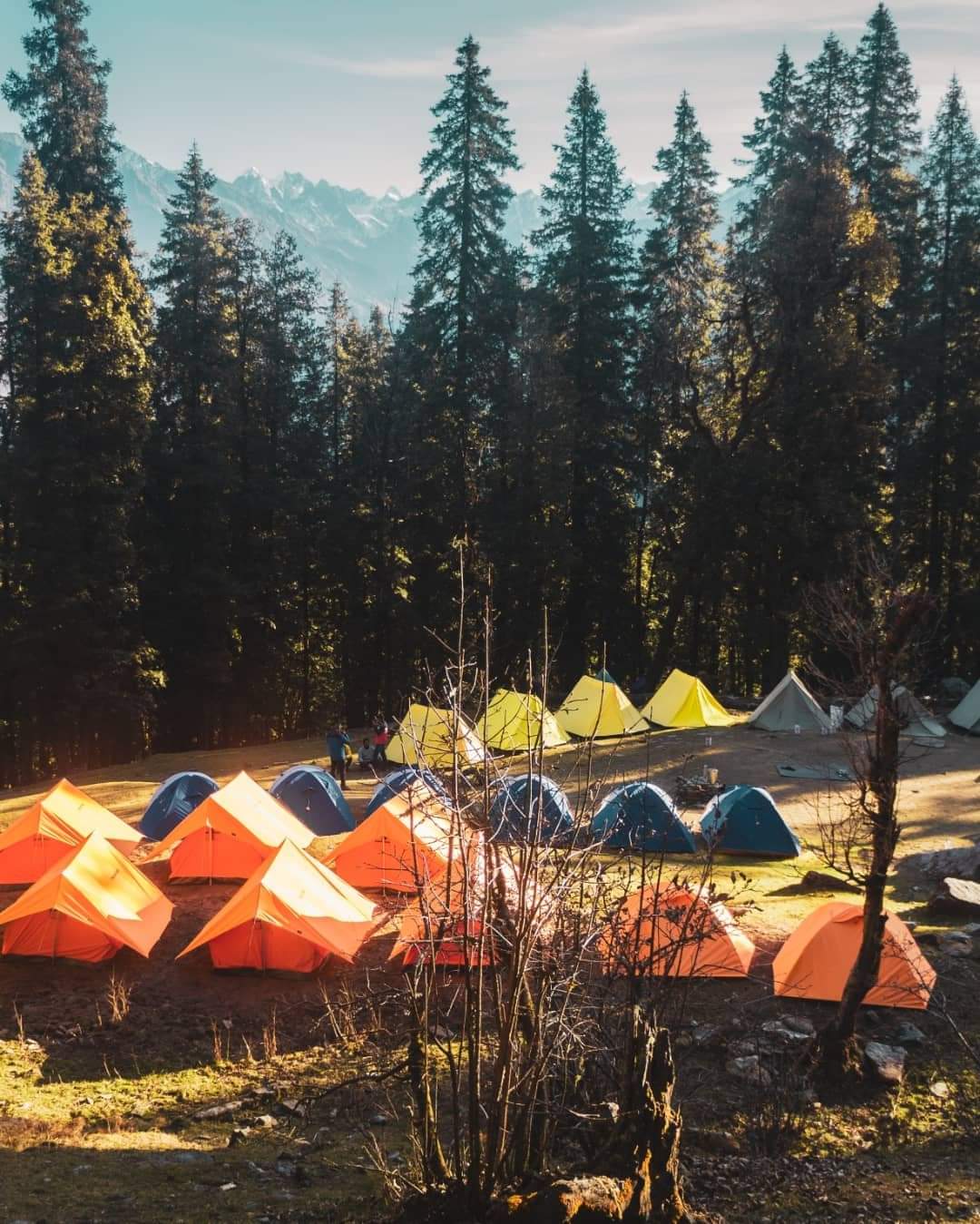
Unlike many Himalayan treks that simply lead to a viewpoint, Kedarkantha is a true summit trek, which makes it stand out. Reaching the peak is a thrilling experience, especially for beginners, as the climb is gradual and the path is well-defined, making it safe yet adventurous. The campsites of Kedarkantha—Juda Ka Talab, Hargaon, and Kedarkantha Base—are also considered some of the most beautiful in the Indian Himalayas, offering a mix of forest clearings, lakeside camping, and snowy meadows.
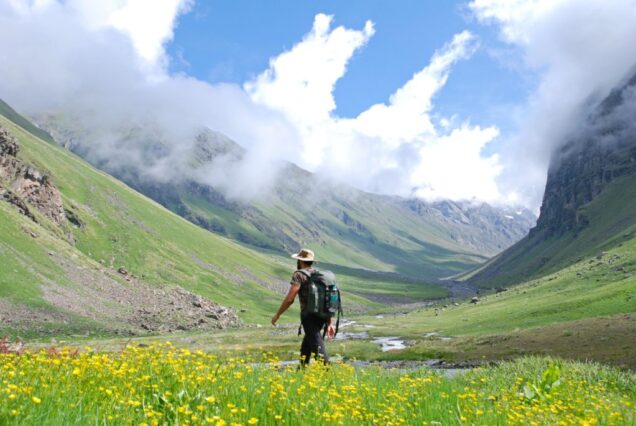
The trek is around 20 kilometers long and usually takes 5 to 6 days to complete, including travel from Dehradun. It is graded as easy to moderate, making it perfect for first-time trekkers, families, solo travelers, and those looking for a short Himalayan adventure. While Kedarkantha is most popular as a winter trek from December to April, when the trail is covered in thick snow, it can also be done in other seasons. In summer, trekkers can experience lush green meadows, blooming wildflowers, and crystal-clear skies, offering a completely different charm compared to the snowy winters.
The weather on the Kedarkantha Trek varies with the season. In winter, daytime temperatures hover around 5°C to 10°C, while nights can drop to -5°C to -10°C, making warm layering essential. During summer and post-monsoon, the weather is much milder, ranging between 5°C to 15°C, with clear skies offering uninterrupted views of the Himalayas.
What truly makes the Kedarkantha Trek famous is its accessibility, beauty, and beginner-friendly nature. Located just about 220 km from Dehradun, the base camp Sankri is easy to reach by road, and the trek can be completed within a week. For many, Kedarkantha is the perfect introduction to Himalayan trekking—offering snow, forests, meadows, lakes, and a summit climb all in one journey.
The Kedarkantha trek begins early morning from Dehradun, where trekkers assemble at ISBT or the railway station by 6:00 AM. After meeting the trek leader and fellow trekkers, the scenic drive to Sankri starts. Covering about 200 km in 8–10 hours, the journey takes you deep into the Garhwal Himalayas.
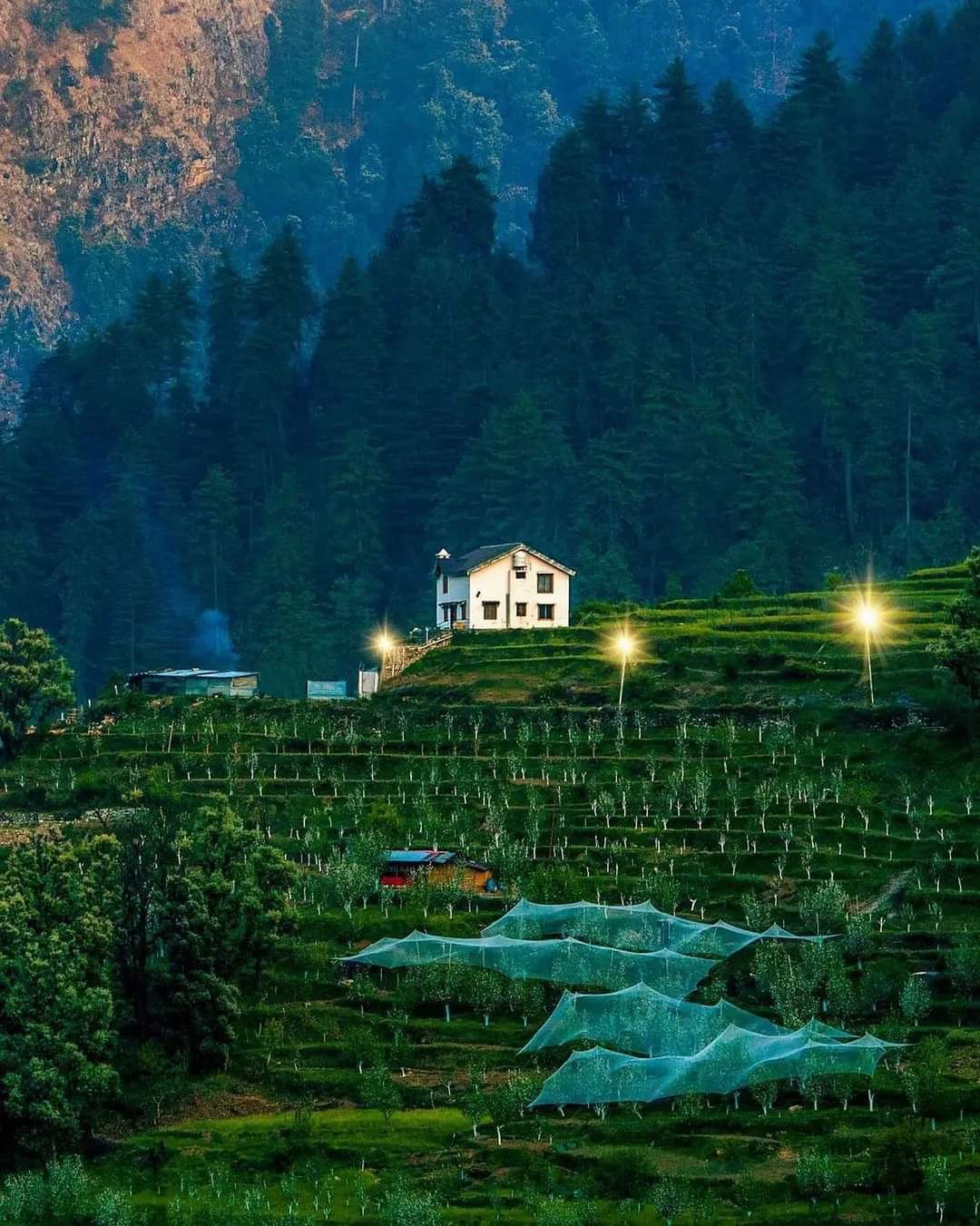
The route passes through Mussoorie, often called the “Queen of Hills.” A short stop near Kempty Falls or a local dhaba allows for breakfast and mountain views. As the drive continues, you pass charming villages like Purola and Mori, famous for apple orchards and traditional wooden houses. Alongside, the Yamuna and Tons rivers flow, with vast stretches of pine and deodar forests making the journey refreshing.
By afternoon, the vehicle enters the Govind Pashu Vihar National Park and Sanctuary, known for its rich biodiversity and dense forests. The last stretch to Sankri is especially scenic, with winding mountain roads and beautiful viewpoints for quick tea and photo breaks.
By early evening, you arrive at Sankri (6,400 ft), the base village of the Kedarkantha trek. Snow-capped peaks like Swargarohini, Bandarpoonch, and Black Peak rise dramatically in the background. On arrival, trekkers check into a cozy guest house or homestay, enjoy evening tea and snacks, and attend a briefing session by the trek leader about the next day’s plan and safety measures. After dinner, most trekkers retire early to rest from the long journey.
Day 2 marks the beginning of the actual trek. After an early breakfast in Sankri village, trekkers set off towards Juda Ka Talab, one of the most picturesque campsites of the Kedarkantha trek. The trail stretches for about 4 km and takes around 4–5 hours, with a steady ascent that allows you to acclimatize comfortably.
The trek starts from the village, passing through dense pine and oak forests, with patches of maple and walnut trees. As you climb higher, you’ll notice the cool mountain air, chirping birds, and occasional openings in the forest that reveal distant snow-capped peaks. Along the way, small wooden huts, grazing meadows, and tiny streams add charm to the trail.
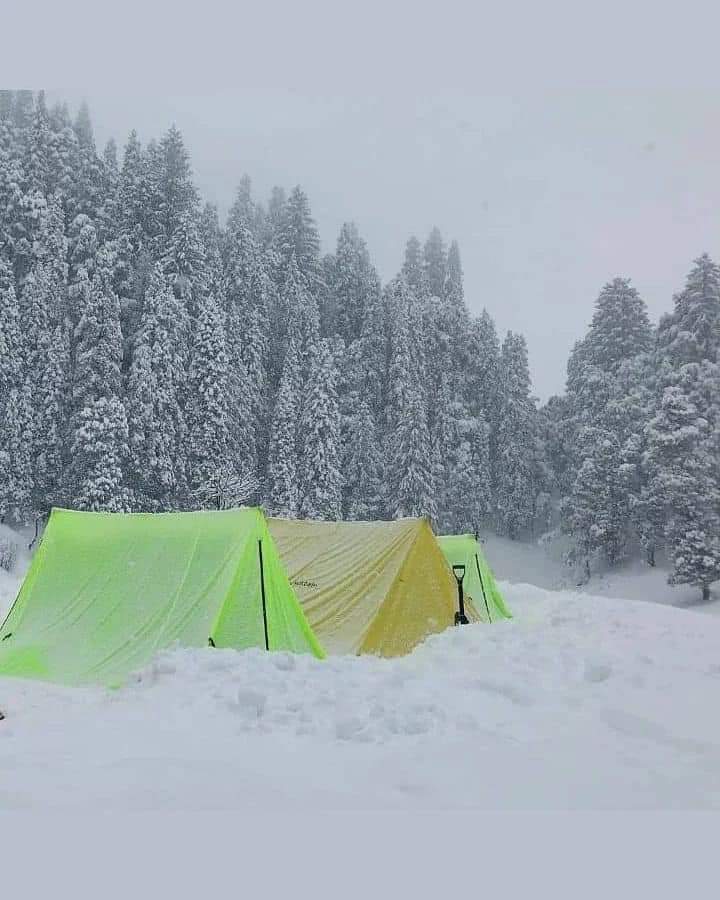
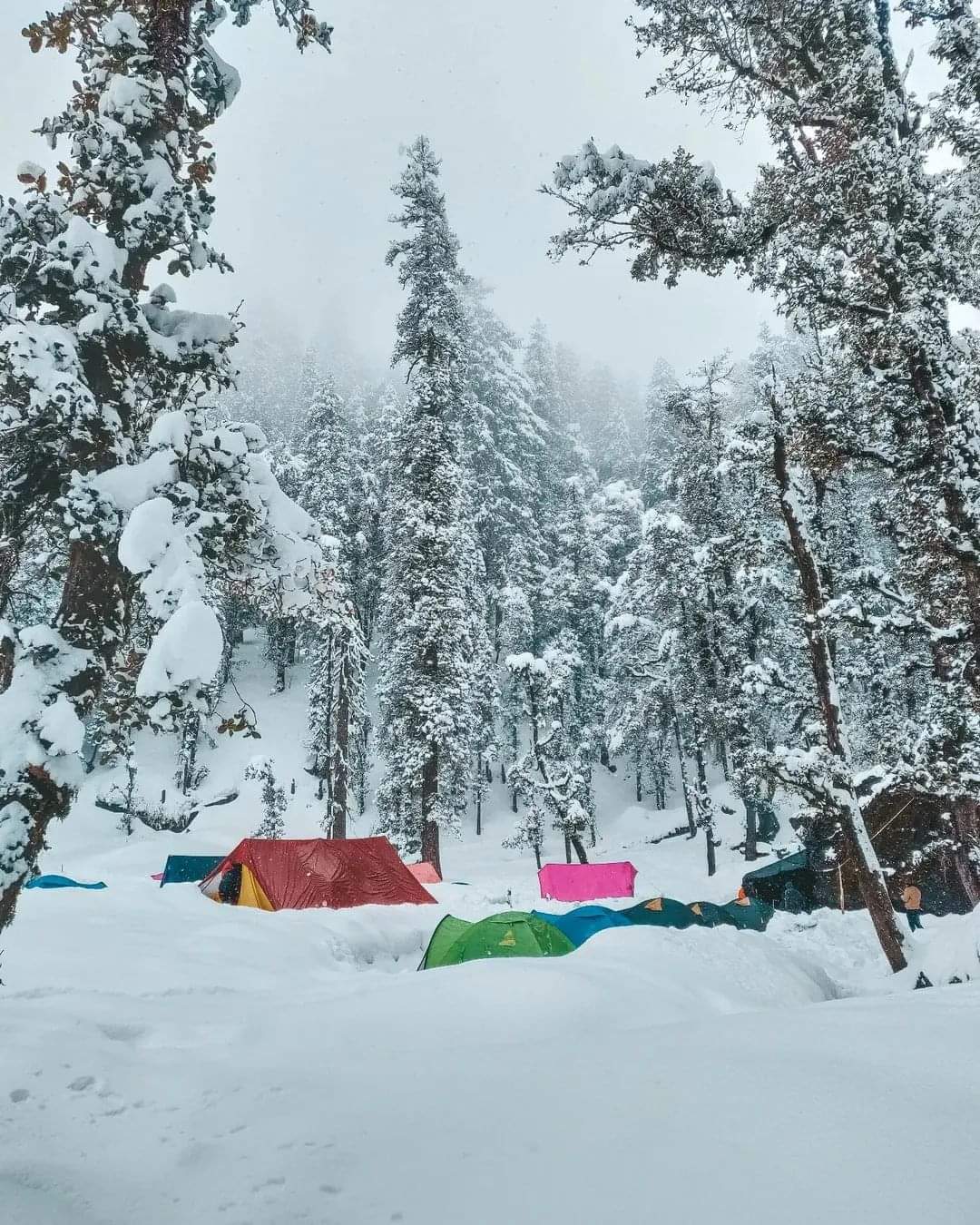
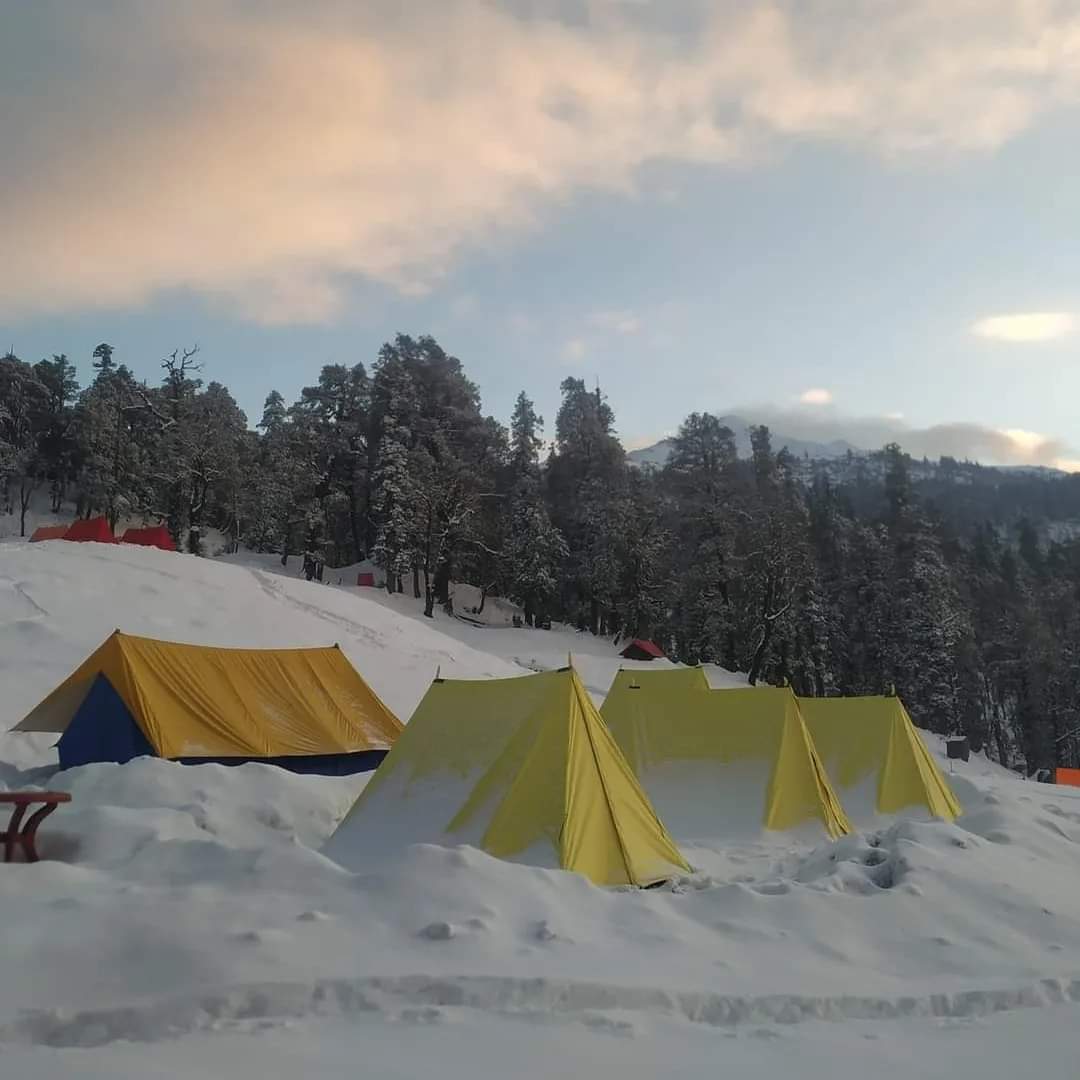
By midday, you reach the enchanting campsite of Juda Ka Talab (9,100 ft). This high-altitude lake, surrounded by tall pine trees, is said to have been formed by Lord Shiva’s water droplets from his hair. In winter, the lake often freezes, creating a magical sight, while the surrounding meadows are blanketed in snow.
Trekkers set up camp near the lake and enjoy hot lunch amidst pristine surroundings. The afternoon is usually spent relaxing, exploring the forest, or simply soaking in the silence of the Himalayas. As evening sets in, the campsite transforms into a breathtaking scene with starlit skies, crackling bonfires, and the crisp mountain breeze.
Dinner is served at the campsite, followed by an overnight stay in tents. The experience of camping beside Juda Ka Talab, surrounded by forests and snow, is often considered one of the highlights of the Kedarkantha trek.
After a refreshing night beside Juda Ka Talab, Day 3 begins with a hearty breakfast before starting the trek towards Kedarkantha Base Camp. The trail covers around 4 km and usually takes 3–4 hours, moving through a mix of thick forests and open meadows.
The initial stretch passes through towering pine and oak trees, with sunlight filtering through the canopy and occasional clearings offering glimpses of snow peaks. As you gain altitude, the forest gradually opens up into expansive meadows with stunning views of the Swargarohini, Bandarpoonch, Black Peak, and Ranglana ranges.
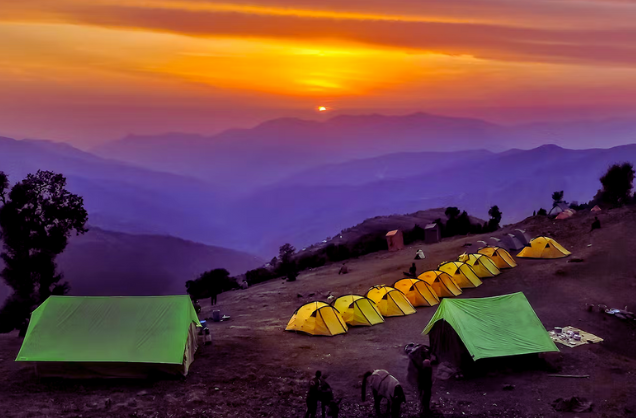
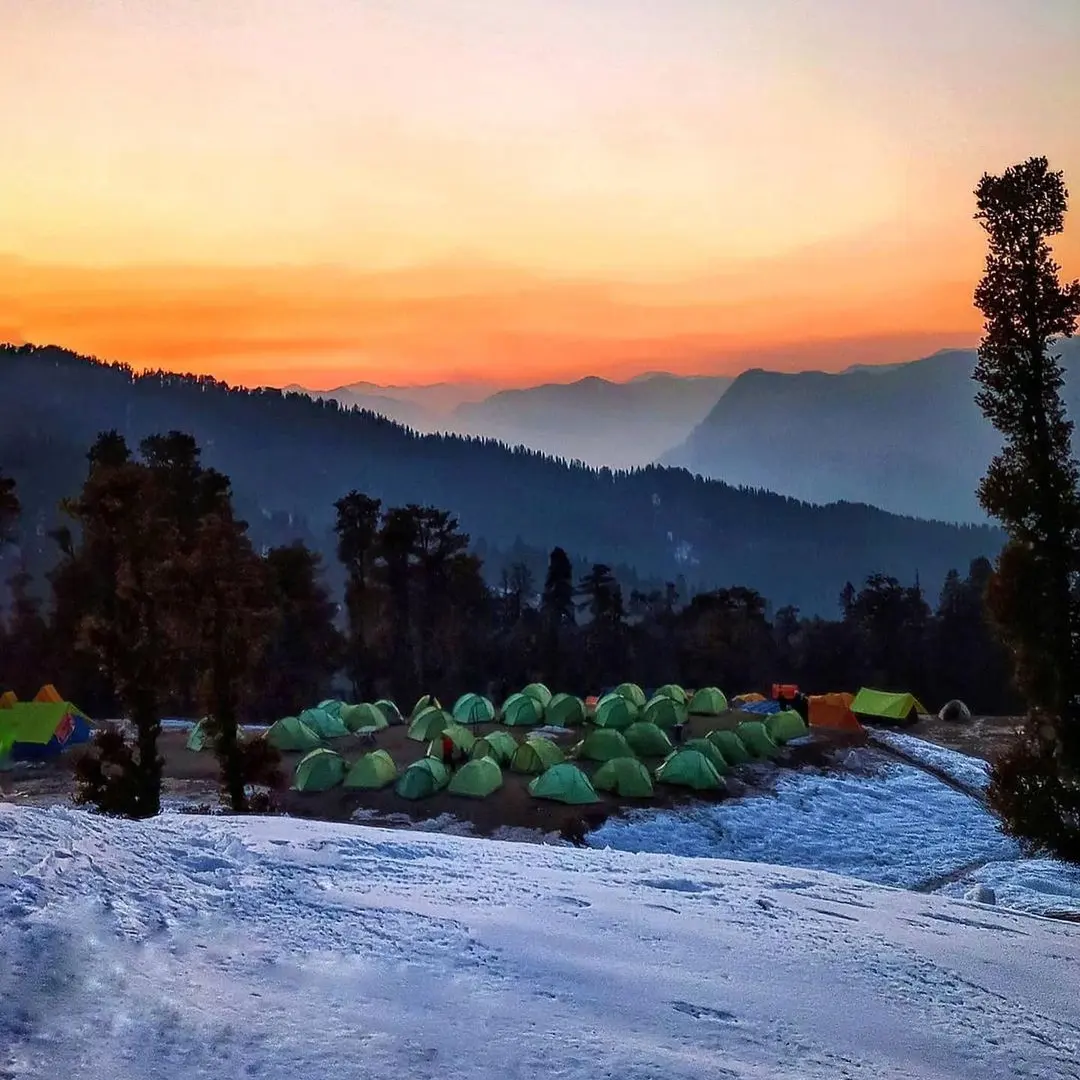
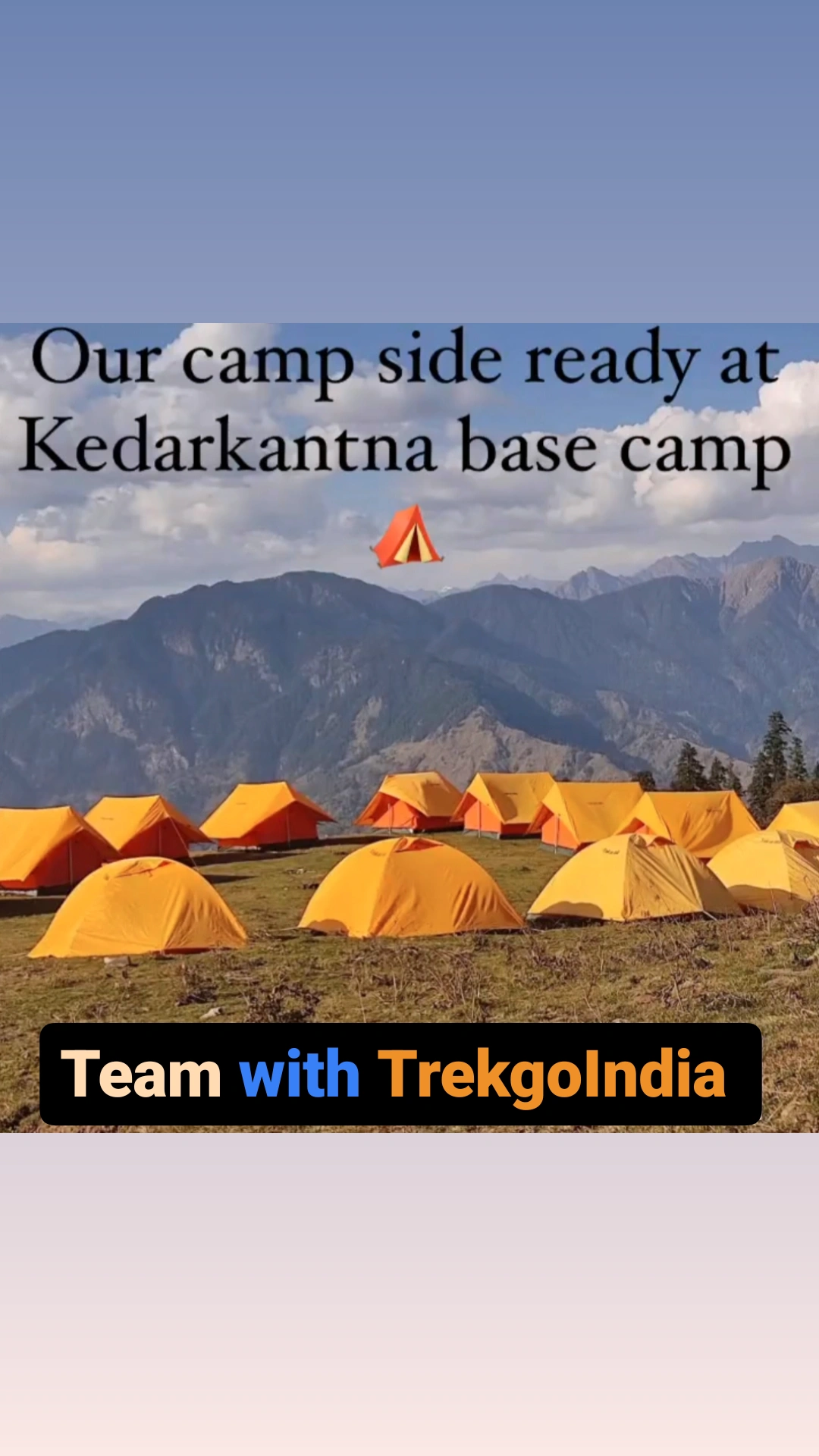
By early afternoon, you reach the campsite at Kedarkantha Base Camp (11,250 ft). This spot is one of the most scenic camps on the trek, with wide open grounds surrounded by snowy slopes and towering peaks. On clear days, sunset from the base camp is magical—the sky painted in shades of orange and pink with Himalayan peaks glowing golden.
After reaching camp, trekkers enjoy a hot lunch followed by rest and acclimatization. In the evening, the trek leader briefs everyone about the next day’s summit climb, safety protocols, and timing. Dinner is served early so trekkers can rest well before the midnight/early morning summit push.
Day 4 is the most exciting and challenging part of the Kedarkantha trek—the summit climb. Trekkers wake up around 2:00–3:00 AM, have a quick hot beverage, and begin the ascent with headlamps lighting the snowy trail. The early start is crucial to catch the sunrise from the summit, one of the highlights of the trek.
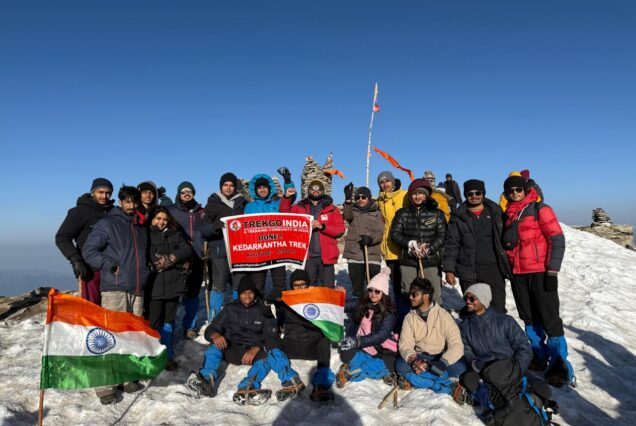
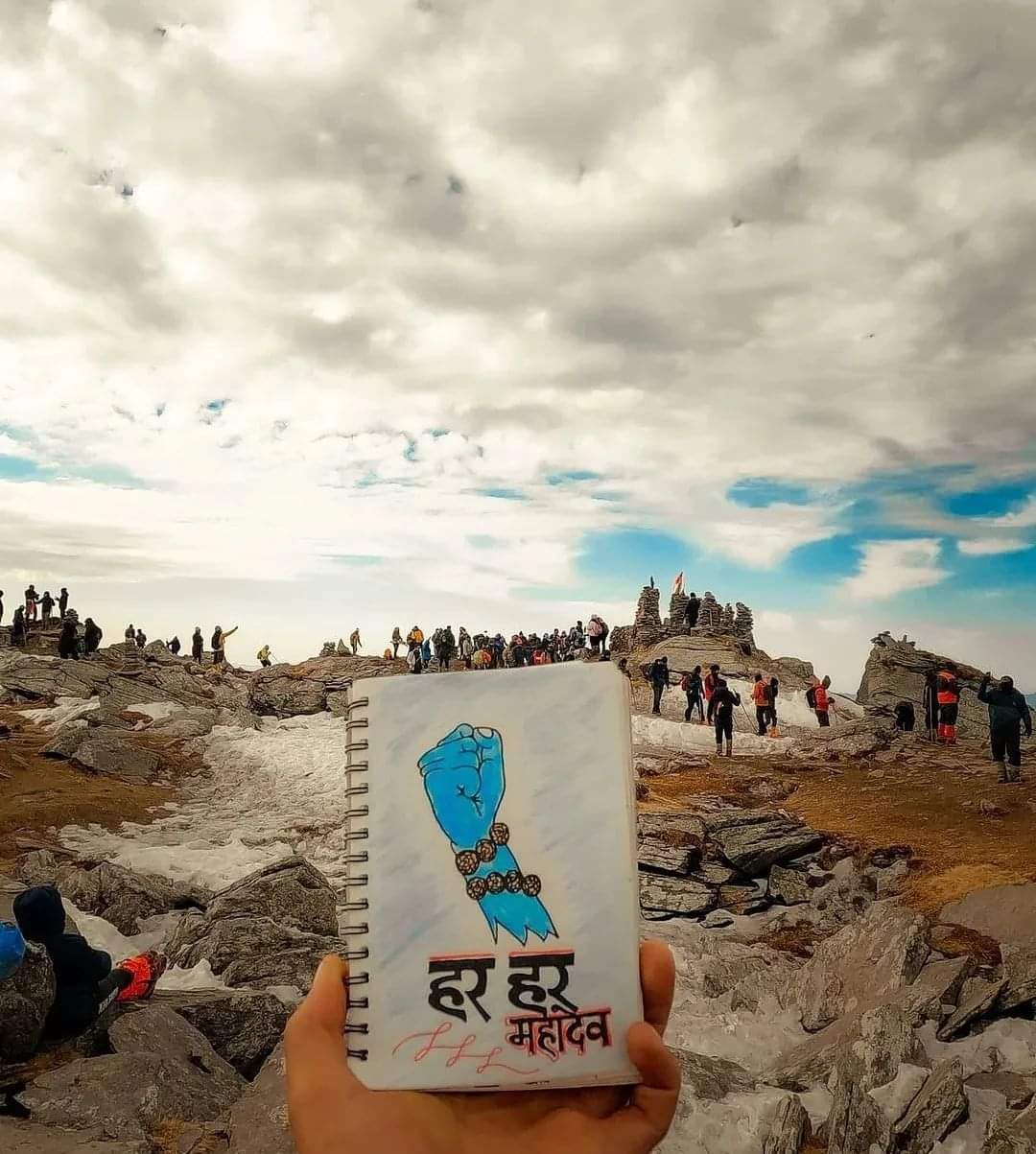
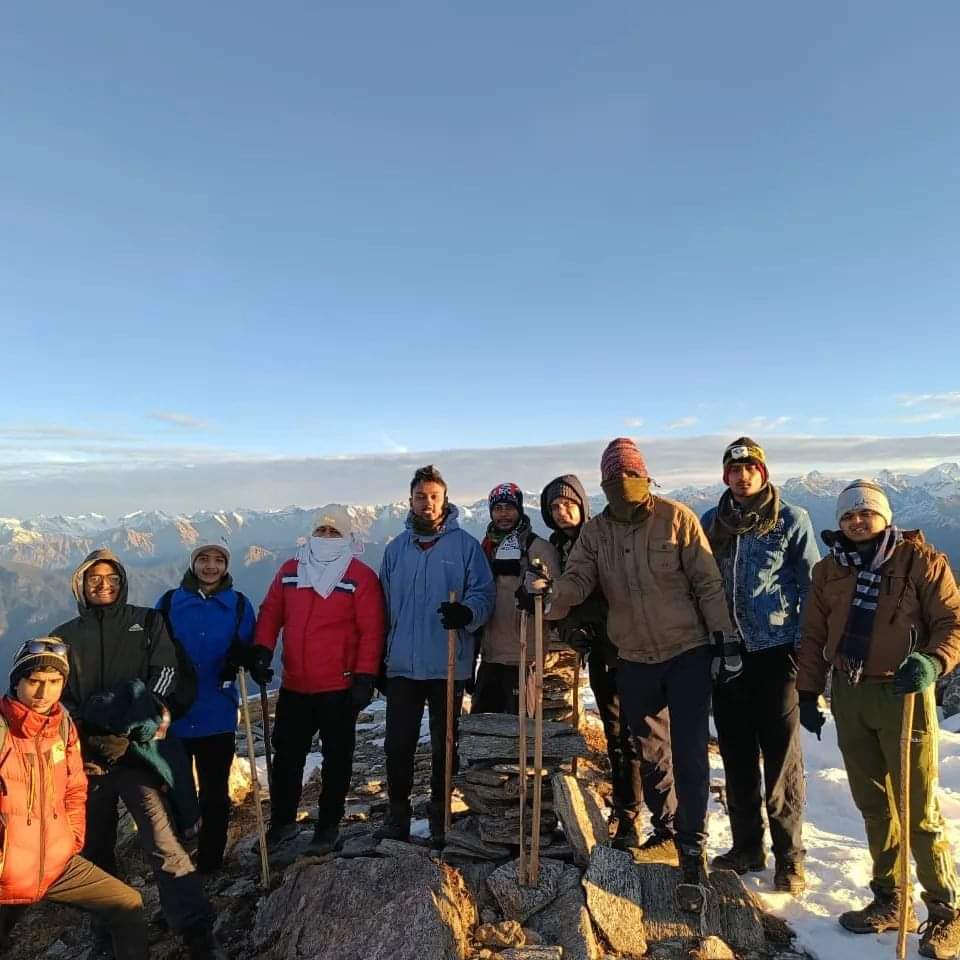
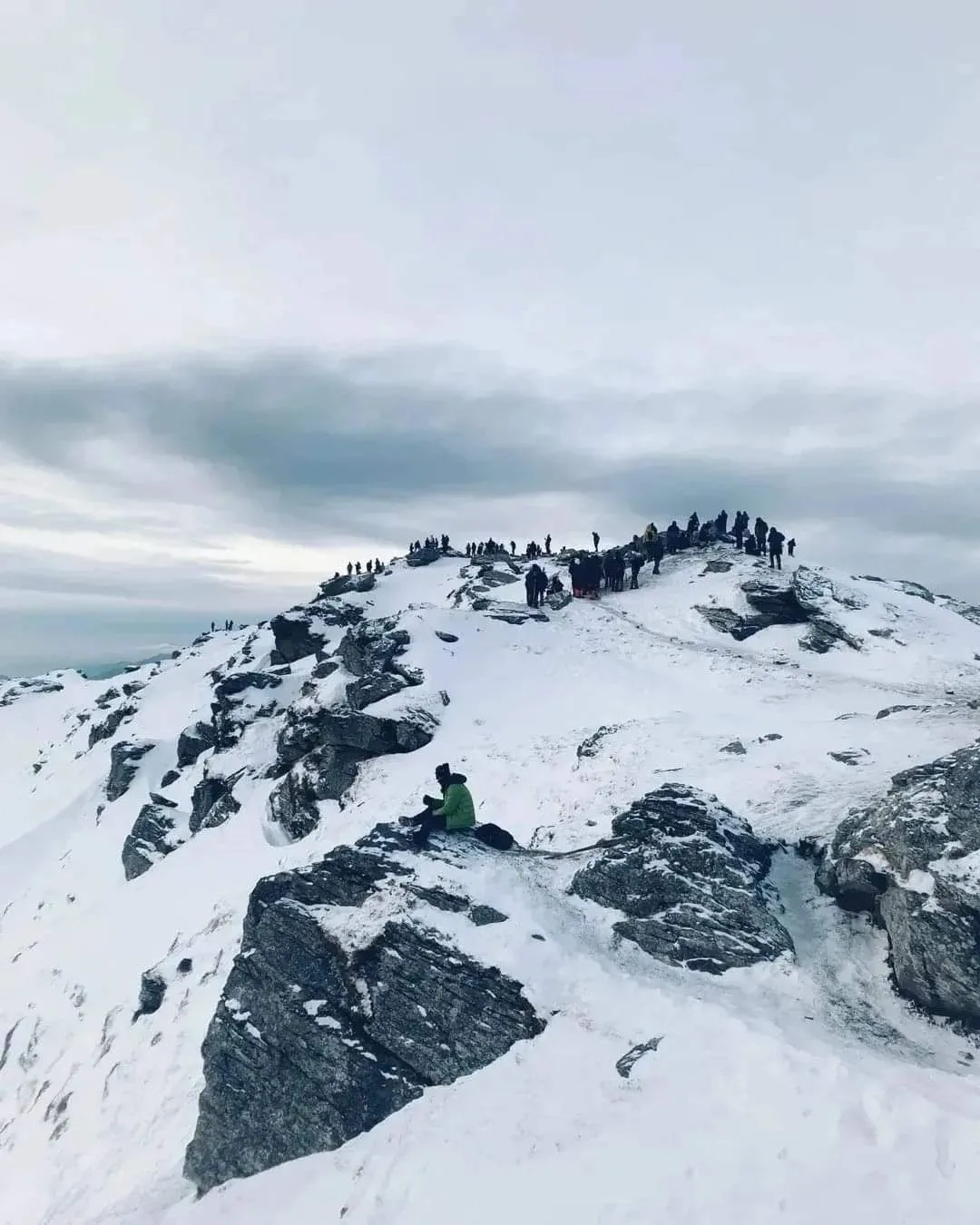
The trail from base camp to the summit is steep and demanding, but incredibly rewarding. The climb passes through pine forests, snowy ridges, and finally opens up to a wide slope leading to the top. As you near the summit, the horizon begins to glow, and once at the peak (12,500 ft), you are rewarded with a 360-degree view of Himalayan ranges including Swargarohini, Bandarpoonch, Black Peak, Rupin-Supin valleys, Yamunotri and Gangotri ranges, and even glimpses of the Kinner Kailash mountains on clear days.
Watching the sunrise from the Kedarkantha summit is an unforgettable experience—the snow glitters golden, and the vast Himalayan skyline stretches endlessly. Trekkers spend some time at the top, soaking in the views and taking photographs before beginning the descent.
The return journey retraces back to base camp for a short rest and hot breakfast. After refreshing, the descent continues towards Juda Ka Talab, where trekkers camp for the night. The trail back down is easier, passing through forests and meadows, eventually leading to the familiar campsite by the frozen lake.
Evening at Juda Ka Talab is relaxed after the summit push. Trekkers gather around bonfires, share stories, and enjoy a warm dinner under a starlit sky.
After breakfast at Juda Ka Talab (9,100 ft), trekkers begin the final descent towards Sankri (6,400 ft). The trail, about 4 km long, passes through dense pine and oak forests with small clearings and mountain streams along the way. The descent usually takes 2–3 hours, and by late morning you reach the charming Sankri village where the trek officially concludes. After a short rest and refreshments, the long drive back to Dehradun begins. Covering around 200 km in 8–10 hours, the route retraces through Mori, Purola, and Mussoorie, offering one last chance to admire the valleys, rivers, and mountain views. Most trekkers reach Dehradun by evening between 6:00–8:00 PM, making it safe to book onward travel after 9:00 PM. This day is both joyful and nostalgic—bringing the Kedarkantha adventure to a close with unforgettable memories of summit views, forest trails, and Himalayan hospitality.
Shared transportation from Dehradun to Sankri and return
Vehicles used: Tempo Traveller, Bolero, or Sumo
Pickup and drop typically from ISBT Dehradun or Railway Station
Note: Budget packages may exclude transport
1 night stay in a guest house or homestay in Sankri (on arrival)
3 nights camping during the trek in alpine tents
Triple sharing tents with sleeping bags, foam mats, and liners
Clean toilet tents and separate kitchen/dining tents
All vegetarian meals included from Day 1 dinner to Day 5 breakfast
Morning tea/coffee, hot lunch/dinner, and light evening snacks
Egg options may be available in some packages
Hygienic and nutritious Indian meals prepared by trek cooks
Certified trek leader and trained mountain guide
Cook, helper, and support staff
Porters or mules for carrying common equipment and supplies
Waterproof alpine tents, dining tents, toilet tents
Sub-zero rated sleeping bags, liners, and foam mattresses
Microspikes and gaiters for snow-covered trails (seasonal)
Group gear and utensils for cooking and serving meals
Trekking permits and forest entry fees
Entry to Govind Wildlife Sanctuary
Basic first-aid kit, oximeter for oxygen level checks
Oxygen cylinder for emergencies (in select packages)
1 Dec – 5 Dec 2025 – Available – Book Now
2 Dec – 6 Dec 2025 – Available – Book Now
3 Dec – 7 Dec 2025 – Available – Book Now
4 Dec – 8 Dec 2025 – Available – Book Now
5 Dec – 9 Dec 2025 – Available – Book Now
6 Dec – 10 Dec 2025 – Available – Book Now
7 Dec – 11 Dec 2025 – Available – Book Now
8 Dec – 12 Dec 2025 – Available – Book Now
9 Dec – 13 Dec 2025 – Available – Book Now
10 Dec – 14 Dec 2025 – Available – Book Now
11 Dec – 15 Dec 2025 – Available – Book Now
12 Dec – 16 Dec 2025 – Available – Book Now
13 Dec – 17 Dec 2025 – Available – Book Now
14 Dec – 18 Dec 2025 – Available – Book Now
15 Dec – 19 Dec 2025 – Available – Book Now
16 Dec – 20 Dec 2025 – Available – Book Now
17 Dec – 21 Dec 2025 – Available – Book Now
18 Dec – 22 Dec 2025 – Available – Book Now
19 Dec – 23 Dec 2025 – Available – Book Now
20 Dec – 24 Dec 2025 – Available – Book Now
21 Dec – 25 Dec 2025 – Available – Book Now
22 Dec – 26 Dec 2025 – Available – Book Now
23 Dec – 27 Dec 2025 – Available – Book Now
24 Dec – 28 Dec 2025 – Available – Book Now
25 Dec – 29 Dec 2025 – Available – Book Now
26 Dec – 30 Dec 2025 – Available – Book Now
27 Dec – 31 Dec 2025 – Available – Book Now
28 Dec – 1 Jan 2026 – Available – Book Now
29 Dec – 2 Jan 2026 – Available – Book Now
30 Dec – 3 Jan 2026 – Available – Book Now
31 Dec – 4 Jan 2026 – Available – Book Now
1 Jan – 5 Jan 2026 – Available – Book Now
2 Jan – 6 Jan 2026 – Available – Book Now
3 Jan – 7 Jan 2026 – Available – Book Now
4 Jan – 8 Jan 2026 – Available – Book Now
5 Jan – 9 Jan 2026 – Available – Book Now
6 Jan – 10 Jan 2026 – Available – Book Now
7 Jan – 11 Jan 2026 – Available – Book Now
8 Jan – 12 Jan 2026 – Available – Book Now
9 Jan – 13 Jan 2026 – Available – Book Now
10 Jan – 14 Jan 2026 – Available – Book Now
11 Jan – 15 Jan 2026 – Available – Book Now
12 Jan – 16 Jan 2026 – Available – Book Now
13 Jan – 17 Jan 2026 – Available – Book Now
14 Jan – 18 Jan 2026 – Available – Book Now
15 Jan – 19 Jan 2026 – Available – Book Now
16 Jan – 20 Jan 2026 – Available – Book Now
17 Jan – 21 Jan 2026 – Available – Book Now
18 Jan – 22 Jan 2026 – Available – Book Now
19 Jan – 23 Jan 2026 – Available – Book Now
20 Jan – 24 Jan 2026 – Available – Book Now
21 Jan – 25 Jan 2026 – Available – Book Now
22 Jan – 26 Jan 2026 – Available – Book Now
23 Jan – 27 Jan 2026 – Available – Book Now
24 Jan – 28 Jan 2026 – Available – Book Now
25 Jan – 29 Jan 2026 – Available – Book Now
26 Jan – 30 Jan 2026 – Available – Book Now
27 Jan – 31 Jan 2026 – Available – Book Now
28 Jan – 1 Feb 2026 – Available – Book Now
29 Jan – 2 Feb 2026 – Available – Book Now
30 Jan – 3 Feb 2026 – Available – Book Now
31 Jan – 4 Feb 2026 – Available – Book Now1 Mar – 5 Mar 2026 – Available – Book Now
2 Mar – 6 Mar 2026 – Available – Book Now
3 Mar – 7 Mar 2026 – Available – Book Now
4 Mar – 8 Mar 2026 – Available – Book Now
5 Mar – 9 Mar 2026 – Available – Book Now
6 Mar – 10 Mar 2026 – Available – Book Now
7 Mar – 11 Mar 2026 – Available – Book Now
8 Mar – 12 Mar 2026 – Available – Book Now
9 Mar – 13 Mar 2026 – Available – Book Now
10 Mar – 14 Mar 2026 – Available – Book Now
11 Mar – 15 Mar 2026 – Available – Book Now
12 Mar – 16 Mar 2026 – Available – Book Now
13 Mar – 17 Mar 2026 – Available – Book Now
14 Mar – 18 Mar 2026 – Available – Book Now
15 Mar – 19 Mar 2026 – Available – Book Now
16 Mar – 20 Mar 2026 – Available – Book Now
17 Mar – 21 Mar 2026 – Available – Book Now
18 Mar – 22 Mar 2026 – Available – Book Now
19 Mar – 23 Mar 2026 – Available – Book Now
20 Mar – 24 Mar 2026 – Available – Book Now
21 Mar – 25 Mar 2026 – Available – Book Now
22 Mar – 26 Mar 2026 – Available – Book Now
23 Mar – 27 Mar 2026 – Available – Book Now
24 Mar – 28 Mar 2026 – Available – Book Now
25 Mar – 29 Mar 2026 – Available – Book Now
26 Mar – 30 Mar 2026 – Available – Book Now
27 Mar – 31 Mar 2026 – Available – Book Now
28 Mar – 1 Apr 2026 – Available – Book Now
29 Mar – 2 Apr 2026 – Available – Book Now
30 Mar – 3 Apr 2026 – Available – Book Now
31 Mar – 4 Apr 2026 – Available – Book Now
1 Feb – 5 Feb 2026 – Available – Book Now
2 Feb – 6 Feb 2026 – Available – Book Now
3 Feb – 7 Feb 2026 – Available – Book Now
4 Feb – 8 Feb 2026 – Available – Book Now
5 Feb – 9 Feb 2026 – Available – Book Now
6 Feb – 10 Feb 2026 – Available – Book Now
7 Feb – 11 Feb 2026 – Available – Book Now
8 Feb – 12 Feb 2026 – Available – Book Now
9 Feb – 13 Feb 2026 – Available – Book Now
10 Feb – 14 Feb 2026 – Available – Book Now
11 Feb – 15 Feb 2026 – Available – Book Now
12 Feb – 16 Feb 2026 – Available – Book Now
13 Feb – 17 Feb 2026 – Available – Book Now
14 Feb – 18 Feb 2026 – Available – Book Now
15 Feb – 19 Feb 2026 – Available – Book Now
16 Feb – 20 Feb 2026 – Available – Book Now
17 Feb – 21 Feb 2026 – Available – Book Now
18 Feb – 22 Feb 2026 – Available – Book Now
19 Feb – 23 Feb 2026 – Available – Book Now
20 Feb – 24 Feb 2026 – Available – Book Now
21 Feb – 25 Feb 2026 – Available – Book Now
22 Feb – 26 Feb 2026 – Available – Book Now
23 Feb – 27 Feb 2026 – Available – Book Now
24 Feb – 28 Feb 2026 – Available – Book Now
25 Feb – 1 Mar 2026 – Available – Book Now
26 Feb – 2 Mar 2026 – Available – Book Now
27 Feb – 3 Mar 2026 – Available – Book Now
28 Feb – 4 Mar 2026 – Available – Book Now
1 Mar – 5 Mar 2026 – Available – Book Now
2 Mar – 6 Mar 2026 – Available – Book Now
3 Mar – 7 Mar 2026 – Available – Book Now
4 Mar – 8 Mar 2026 – Available – Book Now
5 Mar – 9 Mar 2026 – Available – Book Now
6 Mar – 10 Mar 2026 – Available – Book Now
7 Mar – 11 Mar 2026 – Available – Book Now
8 Mar – 12 Mar 2026 – Available – Book Now
9 Mar – 13 Mar 2026 – Available – Book Now
10 Mar – 14 Mar 2026 – Available – Book Now
11 Mar – 15 Mar 2026 – Available – Book Now
12 Mar – 16 Mar 2026 – Available – Book Now
13 Mar – 17 Mar 2026 – Available – Book Now
14 Mar – 18 Mar 2026 – Available – Book Now
15 Mar – 19 Mar 2026 – Available – Book Now
16 Mar – 20 Mar 2026 – Available – Book Now
17 Mar – 21 Mar 2026 – Available – Book Now
18 Mar – 22 Mar 2026 – Available – Book Now
19 Mar – 23 Mar 2026 – Available – Book Now
20 Mar – 24 Mar 2026 – Available – Book Now
21 Mar – 25 Mar 2026 – Available – Book Now
22 Mar – 26 Mar 2026 – Available – Book Now
23 Mar – 27 Mar 2026 – Available – Book Now
24 Mar – 28 Mar 2026 – Available – Book Now
25 Mar – 29 Mar 2026 – Available – Book Now
26 Mar – 30 Mar 2026 – Available – Book Now
27 Mar – 31 Mar 2026 – Available – Book Now
28 Mar – 1 Apr 2026 – Available – Book Now
29 Mar – 2 Apr 2026 – Available – Book Now
30 Mar – 3 Apr 2026 – Available – Book Now
31 Mar – 4 Apr 2026 – Available – Book Now
No, Kedarkantha and Kedarnath are completely different. Kedarnath is a famous pilgrimage site (part of Char Dham Yatra), while Kedarkantha is a trekking peak in Uttarkashi district. Many first-timers confuse the two because of the similarity in names.
Yes, Kedarkantha is considered one of the best beginner-friendly Himalayan treks. The trail is well-defined, the gradient is moderate, and basic fitness is enough to complete it. Even first-time trekkers can attempt this trek safely with proper guidance.
While technically possible, it is not recommended to do Kedarkantha solo because the trail passes through dense forests and snow-covered sections where navigation becomes tricky. Hiring a local guide or joining a group ensures safety, permits, food, and accommodation are taken care of.
Kedarkantha stands out for its 360-degree summit view of 13 Himalayan peaks like Swargarohini, Black Peak, and Bandarpoonch. Unlike most treks, Kedarkantha offers a true summit climb where trekkers actually reach the peak, which is rare for beginners’ treks.
Kedarkantha is one of the safest treks in Uttarakhand. The route is popular, villages like Sankri are accustomed to trekkers, and reputable trek operators provide female trek leaders and support staff. Many women complete this trek solo or in groups without any issues.
Though famous as a winter snow trek (December–April), Kedarkantha can be done year-round except during the peak monsoon (July–August). In summer, the trek offers lush meadows, wildflowers, and clear skies instead of snow. It’s a completely different experience compared to winter.
Yes, trekkers require a Govind Pashu Vihar National Park permit, which is usually arranged by trek operators. If you’re trekking independently, you can get it from the forest office at Sankri.
Focus on cardio and leg strength training: brisk walking or jogging 4–5 km daily, stair climbing, and bodyweight exercises like squats/lunges. If you don’t have access to hiking trails, a treadmill with an incline setting also helps.
Network is available till Sankri (base camp), mostly Jio and BSNL. Beyond Sankri, connectivity is poor or non-existent, so it’s best to inform family beforehand and enjoy a digital detox on the trail.
In peak winter (December–January), temperatures can dip to -5°C to -10°C at night, while daytime remains around 5°C to 10°C. Proper layering with thermals, fleece, and a down jacket is necessary to stay warm.
Points to remember for safety in the trek:
As you climb to higher altitudes, the air grows thinner and less oxygen is present. The amount of oxygen in our blood is equivalent to the proportion of haemoglobin that is saturated with oxygen. At altitudes above around 2,100 metres (7,000 feet), the amount of oxygen carried by our blood starts to decrease. At the same time, the human body possesses both immediate and long-term adaptations to altitude that help it somewhat compensate for the shortage of oxygen.
A Great First Trek for Anyone Who Wants to Get Into Hiking:
These are documents required for legal purposes by Trekgoindia and the forest department. Without any of these, you will not be allowed to trek.
Note: Trekgoindia has a panel of doctors who can help you with a medical certificate. They are available for online consultation. To get in touch with them, please write to trekgoindia@gmail.com. They will respond to you within 24 hours.
Consultation fee: Rs 300
PRO TIPS
Keep important documents in a clear plastic cover and slide them into the inner pocket at the back of your backpack. This keeps them from getting wet. Please note there is no facility to get printouts and photocopies at Sari.
In the normal course of things, IndianTreks anticipates that you will be the one to carry your own personal gear; but, if you want to unload your backpack, you may give it to the mule.
Charge of offloading Backpack
Special offers
Terms and conditions
To book a trek or an adventure programme, please use our online booking form; if you prefer, you may also give us a call at the number provided. To confirm your reservation, you will need to wire a deposit in addition to the original payment.
Cancellations prior to 25 days from the start of the Trip
Refund options
Cancellation between 24 days and 15 days to the start of the Trip
Refund options
Cancellation between 14 days and 10 days to the start of the Trip
Refund options
Cancellation less than 9 days to the start of the trek
Refund options
Note- If a booking is made using a voucher or discount code, the policies related to vouchers and discounts cannot be modified.
In the unlikely event that TrekGoIndia cancels a trek prior to the scheduled departure date:
While it is extremely rare for TrekGoIndia to cancel a trek, we understand that unforeseen circumstances or natural disasters may occasionally require us to do so before the scheduled departure. These circumstances could include continuous rain or snow, thunderstorms, snowstorms, landslides, floods, earthquakes, or any other natural calamity that poses a risk to the safety of our trekkers. Additionally, unforeseeable events such as local riots, curfews, pandemics, lockdowns, government orders, or any similar situations that compromise the safety of the trekking experience may also necessitate a cancellation.
In the event of such a cancellation, TrekGoIndia will provide you with a voucher equivalent to the amount you paid for the trek. This voucher can be redeemed for any of our treks within the next year, allowing you to still enjoy an adventure with us at a later date.
Note
The issuance of a voucher is not applicable in situations where you are required to descend from the trek for any reason. The trek leader may make the decision to send you down from the trek due to factors such as insufficient fitness level, symptoms of Acute Mountain Sickness (AMS), high blood pressure, exceeding the designated turn-around-time, health concerns, or if you are found smoking, drinking, or violating the rules set for the trek. In such cases, the provision of a voucher does not apply.
In the rare event that TrekGoIndia shifts a trek:
We would like to emphasize that weather conditions in high-altitude areas are highly unpredictable and can undergo sudden changes at any time, irrespective of the day. Additionally, circumstances beyond our control, such as natural disasters, political unrest, pandemics, and lockdowns, may impact the feasibility of conducting a trek. In cases where we are unable to proceed with an event due to such circumstances that are beyond our direct control, we will make every effort to provide you with an alternative trek that is safer and more suitable.
In such situations, we will issue a voucher to offset the cost difference between the originally scheduled trek and the alternative trek. This voucher can be redeemed at any time within one year from the date of issue. Please note that a refund fee or reimbursement of the cost difference is not applicable in these cases.
Note:
Cash Voucher Terms:
Itineraries are based on information available at the time of planning and are subject to change. “TrekGoIndia” reserves the right to change expedition dates, people or itineraries as conditions warrant. If a trip must be delayed or the itinerary changed due to bad weather, road conditions, transportation delays, government intervention, airline schedules, sickness, or other contingency for which TrekGoIndia or its agents cannot make provision, the cost of delays and/or other changes are the responsibility of the participant. TrekGoIndia reserves the right to decline, or accept, any individual as a trip member for any reason whatsoever.
Welcome to Trek Go India. Your privacy is critically important to us. This Privacy Policy explains how we collect, use, disclose, and safeguard your information when you visit our website www.trekgoindia.com and use our services related to tours and treks. Information We Collect We may collect and process the following data about you:
How We Use Your Information We use the information we collect in the following ways:
Sharing Your Information We do not sell or rent your personal information to third parties. However, we may share your information with:
Security of Your Information We use administrative, technical, and physical security measures to help protect your personal information. While we have taken reasonable steps to secure the personal information you provide to us, please be aware that no method of transmission over the Internet, or method of electronic storage is 100% secure, and we cannot guarantee its absolute security. Your Data Protection Rights Depending on your location, you may have the following rights regarding your personal data:

Welcome to TrekGoIndia your gateway to adventure in the breathtaking landscapes of Uttarakhand. Nestled in the heart of the majestic Himalayas,