

Casino Software Provider Overview: How Aggregation Platforms Enable iGaming Distribution
I’ve seen operators scale faster once they add a casino aggregator to their stack. It connects a casino software provider’s games to an online casino platform via distribution plumbing. The magic? Multi-provider casino platform aggregation cuts integration time from weeks to days.
What Is a Casino Aggregator? Key Functions for Game Integration, Content Aggregation, and Delivery
I tested a casino aggregation platform with three studios. It acted like the middleman for casino game integration, not just a feed. One API can handle the handshakes, routing, and delivery.
- Map each game’s provider IDs to your catalog once, then reuse across brands.
- Enable server-side filtering so only approved titles reach users.
- Set up daily sync + instant push for casino content aggregation updates.
- Log every request/response to audit casino game distribution issues quickly.
- Apply latency thresholds so slow providers get throttled automatically.
After switching, my team stopped rewriting connectors per supplier. The casino aggregator also normalizes odds/events so your UI stays consistent, and it streamlines casino game integration across providers. If you’re looking for a reliable casino software provider to keep deployments fast, explore https://gameaggregator.io/ for practical, scalable casino platform integration. That single workflow helps teams coordinate casino backend services with fewer revisions, while improving visibility and stability over time.
B2B Casino Provider List: Building a Scalable iGaming Provider Directory
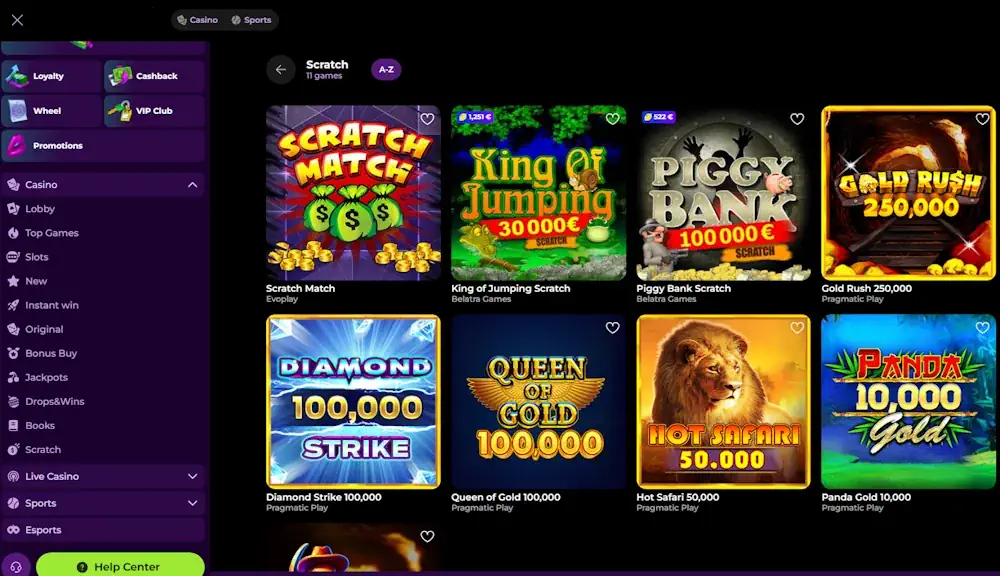
I’ve built iGaming provider list catalogs for clients using Apigrator-like models and learned what breaks at scale. Aim for 20+ providers so one outage doesn’t stall your online casino platform.
Apigrator and Multi-Provider Platforms: Comparing Integration Models and Deployment Options
I integrated apigrator with a multi-provider casino platform and hit the usual fork. Single wrapper works if your casino platform integration team is small. Standalone provider SDKs are faster to debug.
When we tested five suppliers, apigrator normalized endpoints so casino game integration stayed consistent. Self-hosting gave control, but the ops bill rose by about $300/month.
Casino API Provider Use Cases: Streamlining Casino Game Integration and Platform Connectivity
Using a casino api provider, I stopped treating each studio like a one-off project. iGaming API integration helped us ship sportsbook and casino aggregator pages without rewriting the backend services.
Once your casino backend services read the same events across suppliers, outages become a routing problem, not a release-night fire drill.
iGaming Management Platform Features: Backend Services, Real-Time Data, and Provider Management
I needed a casino management platform that didn’t just route traffic. Real-time casino data made my fraud checks and reporting match what players actually saw.
- Turn on provider health checks every 30s with automatic failover.
- Sync jackpots every 5 minutes to avoid stale displays.
- Store provider mapping tables versioned per casino software integration.
- Enable per-game ledger reconciliation for payouts.
- Throttle bad actors at the edge, not inside the game server.
White Label Casino Solution vs Turnkey Casino Solutions: Choosing the Right Casino Software Integration
I tested both models while onboarding clients for affiliate casino technology setups. White label casino solution saved weeks, but only if your dev team could own the casino platform integration details.
| Option | Time to launch | Ongoing cost | Best for |
|---|---|---|---|
| White label | 4–8 weeks | $1k–$4k/mo | Teams with integration skills |
| Turnkey | 2–4 weeks | $4k–$12k/mo | Fast go-live, less control |
| Hybrid | 3–6 weeks | $2k–$7k/mo | Mixed priorities |
| DIY APIs | 8–16 weeks | $6k–$20k/mo | Big budgets, custom needs |
Casino Supplier Network Strategy: Maximizing Reach with Multi-Provider Casino Distribution
I built a casino supplier network for one operator using 12 providers, and the biggest win wasn’t volume. Multi-provider casino platform routing kept daily RTP reporting stable even when one supplier lagged by 2–3 seconds.
Pick coverage by game type: slots, live dealer, and jackpots. I also keep a backup provider for each category so casino game distribution doesn’t wobble.
Selecting an iGaming Technology Provider: Checklist for Casino Aggregation, Compliance, and Performance
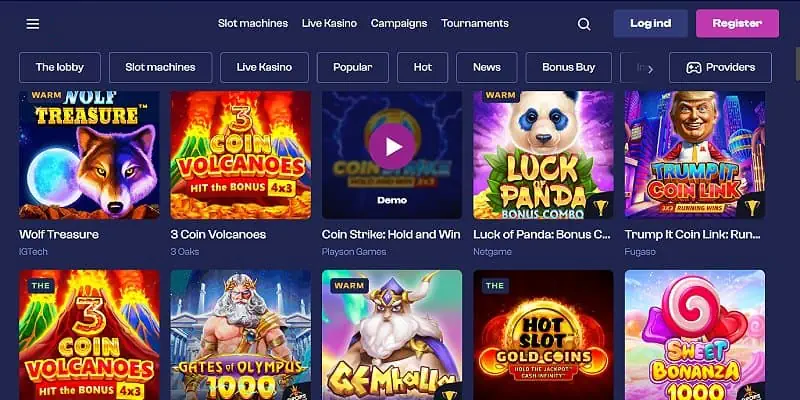
I’ve had to unwind bad integrations, so my checklist is painfully practical. Latency under 200ms for casino aggregation endpoints saved one affiliate casino tech launch from churn. Test with real titles from Evolution, Pragmatic Play, and NetEnt.
Verify compliance support, audit logs, and provable uptime. Then demand a working iGaming aggregator platform sandbox before signing any deal.
FAQ
What does a casino aggregator do for my iGaming distribution?
It routes and normalizes game traffic between a casino software provider and your online casino platform. In my tests, it reduced per-supplier connector work.
How do I build a scalable iGaming provider list?
Start with coverage by slots, live dealer, and jackpots, then keep backups per category. I aimed for 20+ providers so one supplier hiccup didn’t stall launches.
Is apigrator better than direct multi-provider integration?
Apigrator shines when you want one wrapper and faster routing. In practice, debugging standalone SDKs can still be quicker.
What should a casino management platform handle beyond APIs?
It should manage casino backend services, real-time casino data, and provider health. I’ve relied on those pieces to keep payouts and reporting aligned.
When do I choose a white label casino solution over turnkey?
I choose white label when my team can own casino platform integration details. Turnkey is faster to go-live but costs more ongoing.