

Panch Kedar Trek
Five Temples, One Divine Himalayan Journey
1200+ Review ( 4.9/5)
Most Popular Winter Treks in India: Fixed Departure Dates Open for Booking Kedarkantha Trek | Kuari Pass
LOCATION
TREK DURATION
12 Day
HIGHEST ALTITUDE
12,500ft.
TREK DISTANCE
120 Kms
TREK DIFFICULTY
Difficult
BASECAMP
PICKUP DETAILS
SUITABLE FOR
8 Yrs Above
Walk Through a Sacred Himalayan Journey
The Panch Kedar Trek is a remarkable spiritual and trekking experience in the Garhwal Himalayas of Uttarakhand. This sacred pilgrimage connects five revered temples of Lord Shiva — Kedarnath, Madhyamaheshwar, Tungnath, Rudranath, and Kalpeshwar. The Panch Kedar Yatra takes travellers through remote Himalayan villages, ancient trails, dense forests, peaceful valleys, alpine meadows, and spectacular mountain landscapes.
What makes the Panch Kedar pilgrimage truly special is the combination of spirituality, adventure, and Himalayan culture. Walking along the traditional Panch Kedar trekking route, visiting ancient Shiva temples, and experiencing the peaceful surroundings of the Uttarakhand Himalayas creates an unforgettable journey. For those looking for a sacred Himalayan trek, a Shiva pilgrimage in Uttarakhand, or a meaningful adventure through the Garhwal mountains, Panch Kedar offers a unique experience filled with faith, devotion, and natural beauty.
Panch Kedar Trek Highlights
Visit the Five Sacred Kedar Temples
The main highlight of the Panch Kedar Yatra is visiting the five sacred temples of Lord Shiva — Kedarnath, Madhyamaheshwar, Tungnath, Rudranath, and Kalpeshwar. Each temple has its own spiritual significance and is surrounded by the beautiful Garhwal Himalayas.
A Sacred Himalayan Pilgrimage
The Panch Kedar pilgrimage combines spirituality with adventure and takes you through remote mountain valleys, forests, villages, meadows, and high-altitude landscapes. The journey offers a unique way to experience the sacred side of Uttarakhand.
Walk Through the Garhwal Himalayas
The Panch Kedar trekking route passes through diverse Himalayan terrain, including dense forests, traditional villages, alpine meadows, mountain ridges, and scenic valleys. Every section offers a different perspective of the Uttarakhand Himalayas.
Ancient Shiva Temples
The five Panch Kedar temples are among the most revered Shiva temples in the Himalayan region. Visiting these ancient shrines provides a deeply spiritual experience while allowing travellers to discover the religious heritage of Uttarakhand.
Peaceful Mountain Surroundings
Away from crowded tourist destinations, many sections of the Panch Kedar route offer peaceful surroundings, fresh mountain air, flowing streams, forests, and beautiful valleys. The calm environment makes the pilgrimage especially meaningful.
Spectacular Himalayan Views
The journey offers impressive views of Himalayan peaks, green valleys, rugged mountain slopes, forests, and high-altitude landscapes. Clear weather can make the mountain scenery even more spectacular.
A Journey of Faith and Adventure
The Panch Kedar Trek brings together devotion, trekking, Himalayan culture, and exploration. Completing the journey to five sacred Shiva temples creates a memorable experience for both pilgrims and trekking enthusiasts.
Why Panch Kedar Trek?
There are many Himalayan pilgrimage routes in India, but the Panch Kedar Yatra is special because it combines Shiva devotion, traditional pilgrimage, trekking, remote mountain landscapes, and Himalayan culture.
1. Visit Five Sacred Shiva Temples
The Panch Kedar pilgrimage takes you to Kedarnath, Madhyamaheshwar, Tungnath, Rudranath, and Kalpeshwar, making it one of the most significant Shiva pilgrimage journeys in Uttarakhand.
2. Experience the Uttarakhand Himalayas
The route takes you through beautiful valleys, forests, mountain villages, alpine meadows, rivers, and high-altitude trails, offering an authentic Himalayan travel experience.
3. Explore Ancient Himalayan Spirituality
Each Kedar temple has its own religious importance, history, and unique surroundings. Visiting these sacred shrines allows travellers to experience the spiritual traditions of the Garhwal Himalayas.
4. A Diverse Trekking Experience
The Panch Kedar route includes mountain roads → traditional villages → forest trails → alpine meadows → mountain valleys → high-altitude terrain → sacred Shiva temples. The changing landscapes make the journey exciting and rewarding.
5. A Meaningful Journey of Faith
For devotees of Lord Shiva, completing the Panch Kedar Yatra can be a deeply personal spiritual experience. The combination of pilgrimage, walking, and time spent in the mountains makes the journey truly memorable.
Things We Love About the Panch Kedar Trek
1. The Sacred Temples
Visiting five revered Shiva temples across the Garhwal Himalayas is one of the most special aspects of this pilgrimage.
2. The Himalayan Landscapes
Green forests, peaceful valleys, mountain ridges, alpine meadows, rivers, and distant Himalayan peaks make the route visually spectacular.
3. The Spiritual Atmosphere
The peaceful surroundings of the Panch Kedar temples, traditional rituals, mountain villages, and devotional atmosphere create a unique Himalayan pilgrimage experience.
4. Traditional Mountain Villages
The route provides opportunities to experience the culture and simple lifestyle of remote Himalayan communities in Uttarakhand.
5. The Journey Through Remote Trails
Several sections of the Panch Kedar trekking route take travellers away from busy tourist areas and into peaceful mountain landscapes, making the journey feel more authentic and adventurous.
6. The Beauty of Every Season
Depending on the route and season, trekkers can experience green valleys, blooming mountain landscapes, clear autumn views, or snow-covered Himalayan surroundings.
7. Adventure Alongside Devotion
Long walks, forest trails, changing terrain, mountain weather, and high-altitude sections add an adventurous element to this sacred Shiva pilgrimage.
8. The Feeling of Achievement
Completing the Panch Kedar pilgrimage and visiting all five sacred temples creates a strong sense of accomplishment and becomes a memorable spiritual journey.
Who Should Do the Panch Kedar Trek?
The Panch Kedar Trek is suitable for Lord Shiva devotees, experienced trekkers, spiritual travellers, nature lovers, adventure enthusiasts, and travellers looking for a challenging Himalayan pilgrimage. The journey involves long walking sections, uneven mountain trails, altitude gain, changing weather, and remote terrain. Travellers should have good fitness and stamina and be prepared for multi-day trekking conditions. Proper trekking shoes, warm clothing, hydration, medical preparation, and following local safety instructions are important for a safe and comfortable Panch Kedar Yatra.
Alternative related to Kedarnath Yatra – Chopta – Tungnath
Trek Cost
₹48,500/-
₹44,500/-
+5% GST
Haridwar To Haridwar
₹44,500/-
₹44,500/-
+5% GST
Rishkesh To Rishkesh
₹50,500/-
₹48,500/-
+5% GST
Delhi to Delhi
Optional Additions
₹180 Trek Insurance
SELECT DATE TO REGISTER - 2026
October 2026
25 Oct – 29 Oct
26 Oct – 30 Oct
27 Oct – 30 Oct
28 Oct – 31 Oct
29 Oct – 01 Nov
20 Oct – 02 Nov
31 Oct – 03 Nov
AVBL
AVBL
AVBL
AVBL
AVBL
AVBL
AVBL
November 2026
01 Nov – 05 Nov
02 Nov – 06 Nov
03 Nov – 06 Nov
04 Nov – 07 Nov
05 Nov – 08 Nov
06 Nov – 09 Nov
07 Nov – 10 Nov
08 Nov – 11 Nov
AVBL
AVBL
AVBL
AVBL
AVBL
AVBL
AVBL
AVBL
SELECT DATE TO REGISTER - 2027
April 2027
May 2027
June 2027
July 2027
August 2027
September 2027
October 2027
Panch Kedar Trek Overview
The Panch Kedar Trek is one of the most sacred and rewarding Himalayan pilgrimage journeys in Uttarakhand. The journey connects five revered temples of Lord Shiva — Kedarnath, Madhyamaheshwar, Tungnath, Rudranath, and Kalpeshwar — spread across the beautiful Garhwal Himalayas.
The Panch Kedar Yatra takes travellers through remote mountain villages, dense forests, alpine meadows, peaceful valleys, traditional trails, and spectacular Himalayan landscapes. Each temple offers a unique spiritual experience along with the opportunity to explore the natural beauty and cultural heritage of Uttarakhand.
Unlike a single-destination pilgrimage, the Panch Kedar pilgrimage is a multi-stage Himalayan journey that combines trekking, spirituality, adventure, and devotion. The changing landscapes, ancient Shiva temples, peaceful mountain surroundings, and challenging trekking sections make it a memorable experience for pilgrims and experienced trekkers.
Whether you are planning a Panch Kedar Trek for spiritual reasons, looking for a challenging Shiva pilgrimage in Uttarakhand, or want to explore the lesser-known trails of the Garhwal Himalayas, this journey offers a unique combination of faith, adventure, culture, and Himalayan beauty.
Panch Kedar Trek Itinerary
Day 1: Haridwar to Guptkashi
Pickup: Early morning from Haridwar.
Route: Haridwar → Rishikesh → Devprayag → Srinagar → Rudraprayag → Guptkashi.
Stats: 210–220 km drive | 8–10 hours | Altitude: 1,319 m / 4,330 ft.
Stay: Overnight at hotel/guesthouse in Guptkashi.
Day 2: Guptkashi to Kedarnath Dham
Journey: Drive to Sonprayag and begin the trek towards Kedarnath.
Route: Guptkashi → Sonprayag → Gaurikund → Kedarnath.
Stats: 30 km drive to Sonprayag | 16–18 km trek | Kedarnath altitude: 3,583 m / 11,755 ft.
Stay: Overnight at hotel/guesthouse in Kedarnath.
Day 3: Kedarnath Darshan & Return to Guptkashi
Darshan: Early morning darshan at Kedarnath Temple.
Route: Kedarnath → Gaurikund → Sonprayag → Guptkashi.
Stats: 16–18 km trek | 6–9 hours | Drive to Guptkashi.
Stay: Overnight at hotel/guesthouse in Guptkashi.
Day 4: Guptkashi to Ukhimath & Sari Village
Journey: Drive through the scenic Garhwal Himalayas towards the Madhyamaheshwar region.
Route: Guptkashi → Ukhimath → Kund → Uniana → Sari Village.
Stats: 50–60 km drive | 2–3 hours | Sari altitude: 2,000 m / 6,560 ft.
Stay: Overnight at hotel/guesthouse in Sari.
Day 5: Sari to Madhyamaheshwar
Journey: Drive to Ransi and trek through traditional Himalayan villages and forests towards Madhyamaheshwar.
Route: Sari → Ransi → Gaundar → Bantoli → Madhyamaheshwar.
Stats: 18–20 km trek | 7–9 hours | Madhyamaheshwar altitude: 3,289 m / 10,790 ft.
Stay: Overnight at guesthouse/camp in Madhyamaheshwar.
Day 6: Madhyamaheshwar Darshan & Return to Sari
Darshan: Morning visit to the sacred Madhyamaheshwar Temple.
Route: Madhyamaheshwar → Bantoli → Gaundar → Ransi → Sari.
Stats: 18–20 km trek | 7–9 hours.
Stay: Overnight at hotel/guesthouse in Sari.
Day 7: Sari to Chopta & Tungnath
Journey: Drive from Sari towards Chopta and trek to the highest Shiva temple, Tungnath.
Route: Sari → Chopta → Tungnath.
Stats: 40–50 km drive | 3–4.5 km trek | Tungnath altitude: 3,680 m / 12,073 ft.
Stay: Overnight at guesthouse/camp near Chopta or Tungnath, subject to seasonal availability.
Day 8: Tungnath Darshan, Chandrashila & Drive to Sagar
Darshan: Morning darshan at Tungnath Temple, followed by optional Chandrashila hike.
Route: Tungnath → Chopta → Sagar Village.
Stats: 3–5 km trek | 40–50 km drive | Chandrashila altitude: 4,000 m / 13,123 ft.
Stay: Overnight at hotel/guesthouse in Sagar.
Day 9: Sagar to Rudranath
Journey: Begin the challenging trek towards the remote Rudranath Temple.
Route: Sagar → Panar Bugyal → Pitradhar → Rudranath.
Stats: 18–20 km trek | 8–10 hours | Rudranath altitude: 3,600 m / 11,811 ft.
Stay: Overnight at camp/guesthouse near Rudranath.
Day 10: Rudranath Darshan & Return Trek
Darshan: Morning darshan at the sacred Rudranath Temple.
Route: Rudranath → Pitradhar → Panar Bugyal → Sagar.
Stats: 18–20 km trek | 8–10 hours.
Stay: Overnight at hotel/guesthouse in Sagar.
Day 11: Sagar to Kalpeshwar & Joshimath
Journey: Drive towards Urgam Valley and visit the final Kedar shrine, Kalpeshwar.
Route: Sagar → Helang → Urgam Valley → Kalpeshwar → Joshimath.
Stats: 70–90 km drive | 1–2 km trek | Kalpeshwar altitude: 2,200 m / 7,218 ft.
Darshan: Visit the sacred Kalpeshwar Temple.
Stay: Overnight at hotel/guesthouse in Joshimath.
Day 12: Joshimath to Haridwar
Journey: Begin the return journey through the scenic Alaknanda Valley.
Route: Joshimath → Chamoli → Karnaprayag → Rudraprayag → Devprayag → Rishikesh → Haridwar.
Stats: 250–270 km drive | 9–11 hours.
Drop-off: Haridwar by evening.
Highlights: Alaknanda Valley, Devprayag Sangam, Himalayan villages, and mountain landscapes.
Day 1: Drive from Haridwar to Guptkashi
Drive Distance: 210–220 km
Time: 8–10 hrs
Altitude Guptkashi: 1,319 m / 4,330 ft
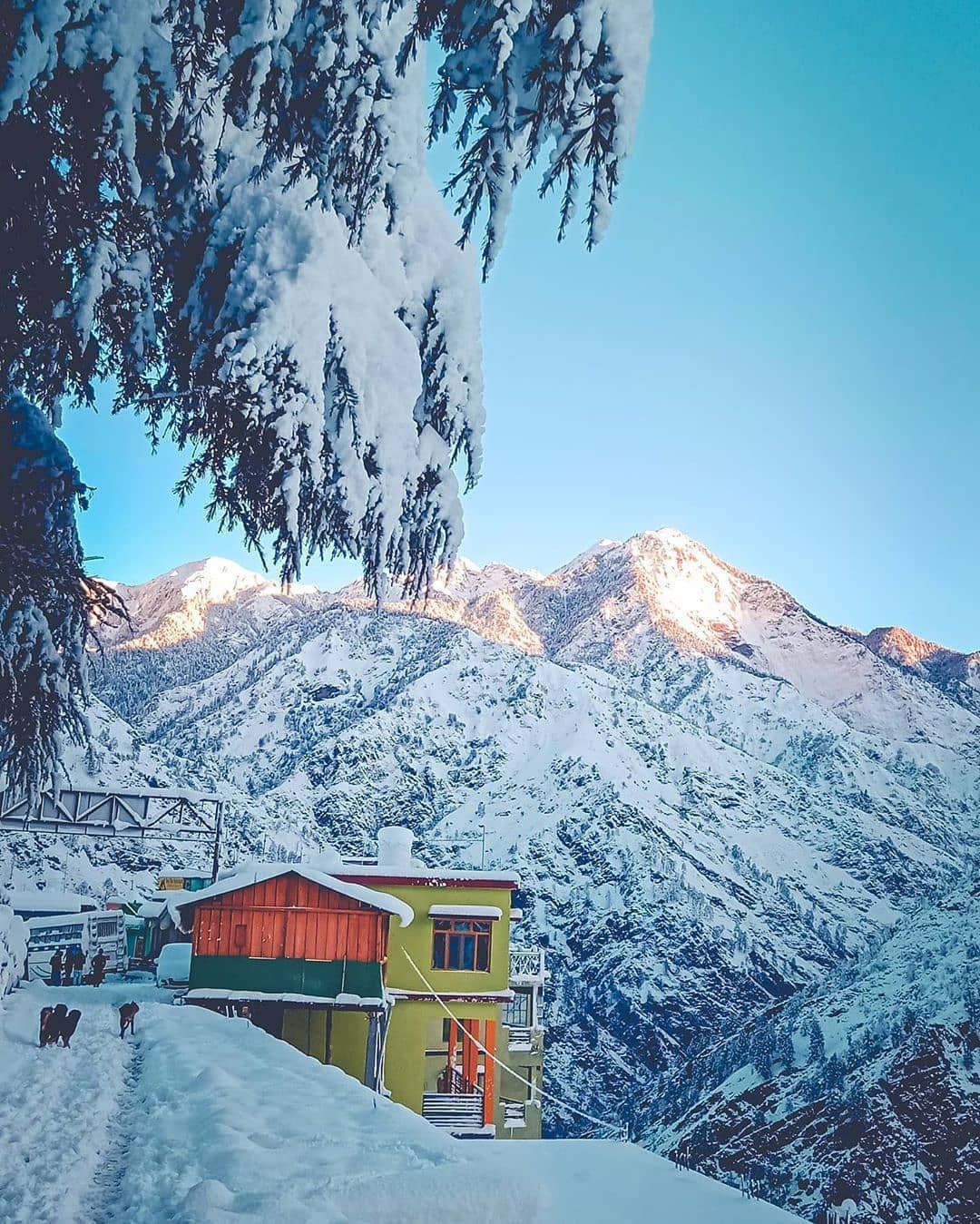
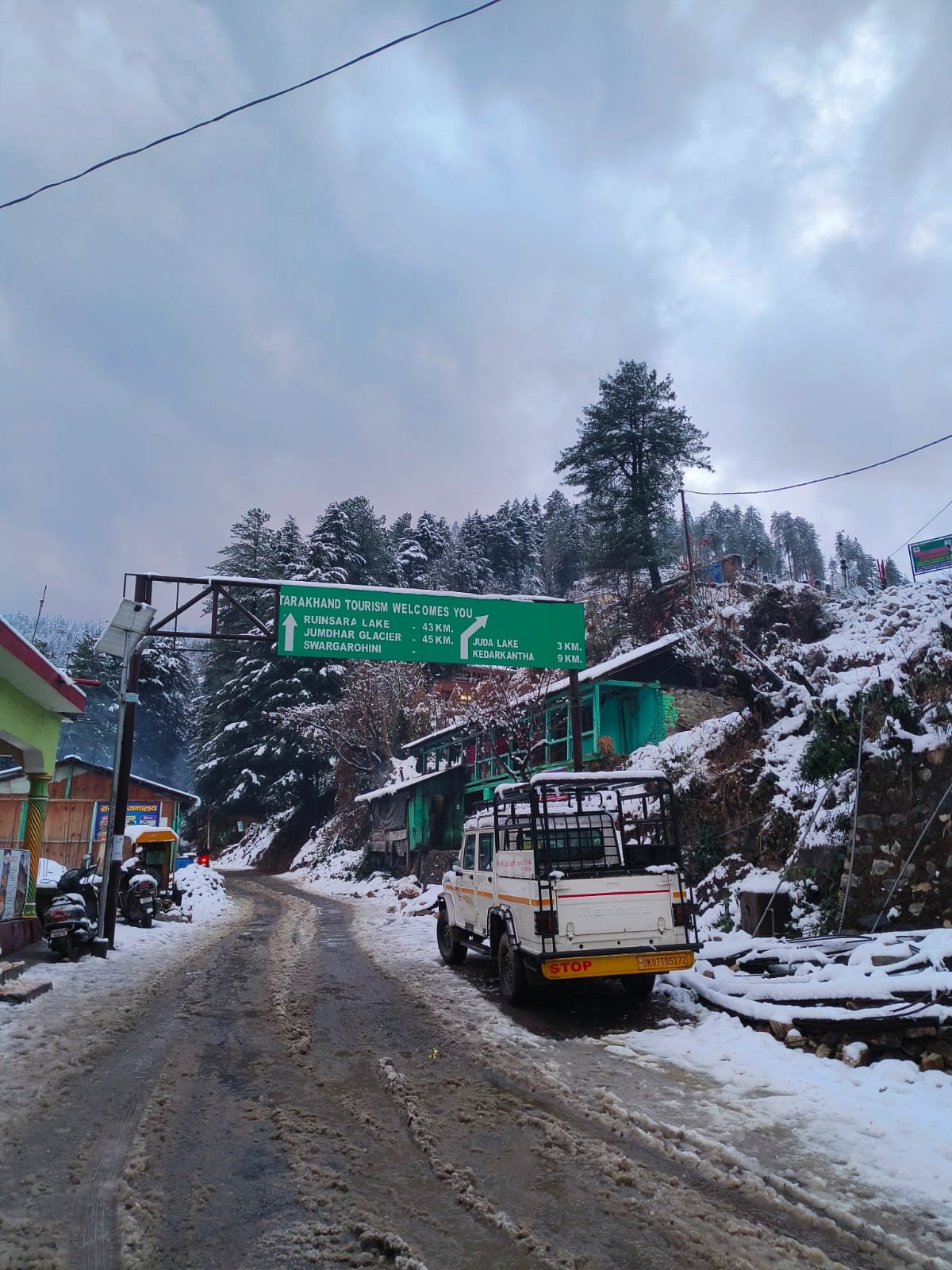
Landscapes: Scenic mountain roads, deep valleys, forested slopes, the Alaknanda and Mandakini rivers, and beautiful Himalayan views.
Transport
Haridwar
Meals
Dinner
Stay
Guptkashi
The Panch Kedar Trek from Haridwar begins with a scenic drive through the beautiful Garhwal Himalayas towards Guptkashi. After an early morning departure from Haridwar, the journey follows the Himalayan route through Rishikesh, Devprayag, Srinagar, Rudraprayag, and Kund before reaching Guptkashi. This first day of the Panch Kedar Yatra itinerary introduces travellers to the stunning landscapes of Uttarakhand and marks the beginning of a spiritual journey towards the five sacred Shiva temples.
The Haridwar to Guptkashi distance is approximately 210–220 km and usually takes around 8–10 hours, depending on road conditions, traffic, weather, and breaks. As the route leaves the plains behind, the landscape gradually changes into mountain terrain, with winding Himalayan roads, deep valleys, forested slopes, traditional villages, and rivers flowing through the Garhwal region.
The journey passes through Rishikesh and Devprayag before continuing towards Srinagar and Rudraprayag. At Devprayag, the Bhagirathi and Alaknanda rivers meet to form the sacred River Ganga. After Rudraprayag, the route continues through the Mandakini Valley towards Guptkashi.
Located at approximately 1,319 m / 4,330 ft, Guptkashi is an important overnight stop on the Panch Kedar pilgrimage route. After reaching Guptkashi, check into your hotel or guesthouse, organise your trekking equipment, and rest for the next stage of the journey.
Day 2: Guptkashi to Kedarnath Dham
Drive Distance: 30 km to Sonprayag
Trek Distance: 16–18 km from Gaurikund to Kedarnath
Time: 7–9 hrs trekking
Altitude Kedarnath: 3,583 m / 11,755 ft
Landscapes: Mandakini Valley, mountain trails, waterfalls, forested slopes, rugged Himalayan terrain, and spectacular views of the surrounding peaks.


Meals
Breakfast, Dinner
Stay
Kedarnath
Day 2 of the Panch Kedar Yatra begins with a drive from Guptkashi towards Sonprayag, followed by the journey to Gaurikund, the traditional starting point for the Kedarnath trek. Kedarnath is the first and one of the most important temples included in the Panch Kedar pilgrimage.
The Guptkashi to Sonprayag drive covers approximately 30 km, after which travellers continue towards Gaurikund and begin the 16–18 km trek to Kedarnath Dham. The trail passes through the Mandakini Valley and features stone pathways, bridges, waterfalls, forests, mountain slopes, and scenic Himalayan surroundings.
The Kedarnath Temple is located at approximately 3,583 m / 11,755 ft and is one of the most revered Shiva temples in India. Reaching the temple after the long mountain journey is a deeply spiritual experience for pilgrims completing the Panch Kedar Trek.
After reaching Kedarnath, check into your accommodation and rest. Depending on arrival time and local conditions, pilgrims can attend darshan at the sacred temple and experience the peaceful atmosphere of the Himalayan shrine.
Day 3: Kedarnath Darshan & Return to Guptkashi
Trek Distance: 16–18 km
Time: 6–9 hrs
Altitude Kedarnath: 3,583 m / 11,755 ft
Darshan: Early morning darshan at the sacred Kedarnath Temple.
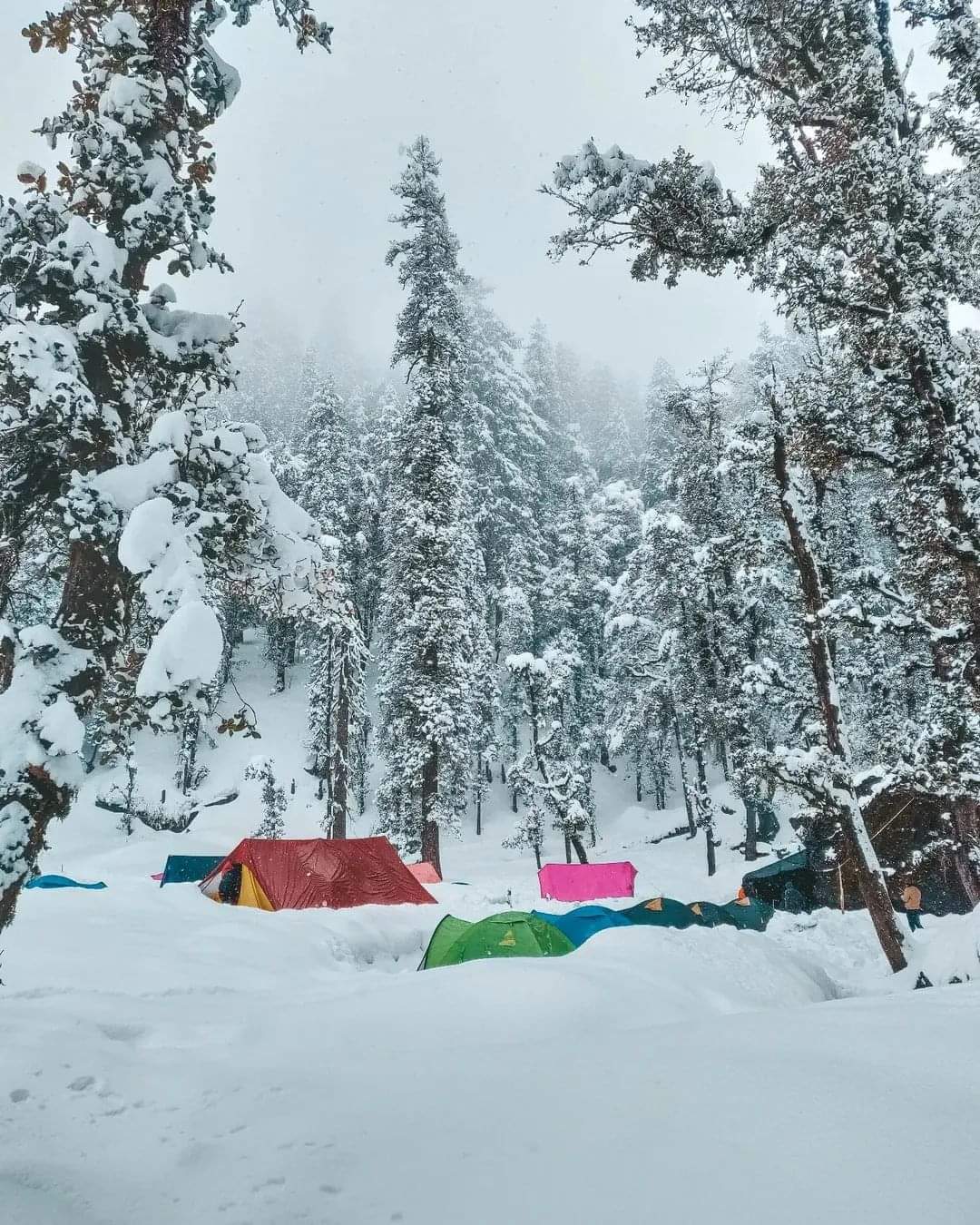
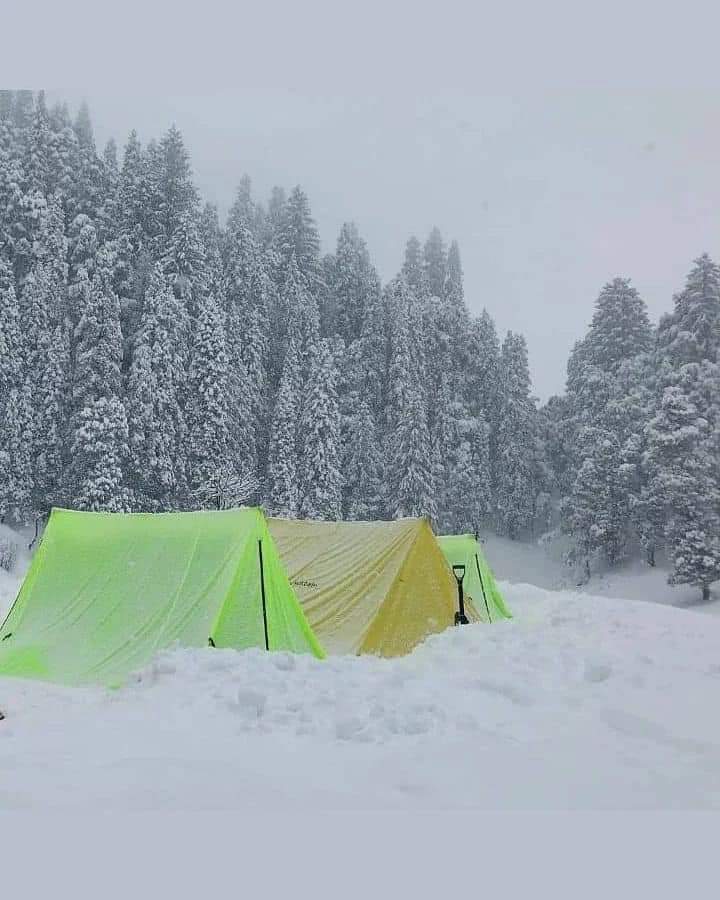
Landscapes: Mandakini River, Himalayan valleys, mountain trails, waterfalls, and scenic views during the descent.
Meals
Breakfast, Dinner
Stay
Guptkashi
Day 3 begins with early morning darshan at Kedarnath Temple. As the first sacred destination of the Panch Kedar Yatra, Kedarnath holds immense spiritual importance for devotees of Lord Shiva. The temple is surrounded by dramatic Himalayan landscapes, making the morning atmosphere particularly memorable.
After darshan, begin the descent towards Gaurikund. The return trek covers approximately 16–18 km and generally takes around 6–9 hours, depending on walking pace, weather, trail conditions, and breaks.
From Gaurikund, continue by road towards Sonprayag and then Guptkashi. The return journey provides another opportunity to experience the Mandakini Valley, mountain forests, waterfalls, and traditional Himalayan settlements.
After reaching Guptkashi, check into your accommodation and rest. This recovery day is important before beginning the next trekking section towards Madhyamaheshwar, the second Kedar shrine.
Day 4: Drive from Guptkashi to Sari Village
Drive Distance: 50–60 km
Time: 2–3 hrs
Altitude Sari Village: 2,000 m / 6,560 ft
Route: Guptkashi → Ukhimath → Kund → Sari Village
Landscapes: Scenic mountain roads, green valleys, forested slopes, traditional Himalayan villages, and beautiful views of the Garhwal Himalayas.
Meals
Breakfast, Dinner
Stay
Sari
The fourth day of the Panch Kedar Trek takes you from Guptkashi towards Sari Village, the starting point for the Madhyamaheshwar pilgrimage route. The drive passes through Ukhimath and Kund before reaching the peaceful Himalayan village of Sari.
The drive covers approximately 50–60 km and takes around 2–3 hours, depending on road conditions. Along the way, travellers can enjoy mountain roads, forested slopes, traditional villages, terraced fields, and beautiful views of the Garhwal Himalayas.
Sari Village, situated at approximately 2,000 m / 6,560 ft, is a popular base for the Deoria Tal and Madhyamaheshwar routes. The peaceful village atmosphere provides an ideal setting to rest before the next day’s long trek.
After reaching Sari, check into your hotel or guesthouse and prepare your trekking equipment. Keep your daypack ready with water, snacks, warm layers, rain protection, and other essentials required for the Madhyamaheshwar Trek.
Day 5: Sari Village to Madhyamaheshwar
Trek Distance: 18–20 km
Time: 7–9 hrs
Altitude Madhyamaheshwar: 3,289 m / 10,790 ft
Route: Sari → Ransi → Gaundar → Bantoli → Madhyamaheshwar
Landscapes: Dense forests, traditional Himalayan villages, mountain streams, green valleys, alpine meadows, and spectacular Himalayan views.
Meals
Breakfast, Dinner
Stay
Madhyamaheshwar
Day 5 is one of the important trekking days of the Panch Kedar Yatra as the route leads towards Madhyamaheshwar, the second sacred Kedar temple. The journey begins with a transfer towards Ransi, followed by the trek through Gaundar and Bantoli towards Madhyamaheshwar.
The trekking distance is approximately 18–20 km and generally requires 7–9 hours. The trail passes through dense Himalayan forests, traditional villages, mountain streams, green valleys, and scenic mountain landscapes.
Madhyamaheshwar Temple is located at approximately 3,289 m / 10,790 ft and is surrounded by impressive Himalayan scenery. The remote setting and peaceful environment make this section of the Panch Kedar pilgrimage particularly special.
After reaching Madhyamaheshwar, check into the available guesthouse or campsite and rest. The high-altitude surroundings and long trekking day make proper hydration, warm clothing, and adequate rest important.
Day 6: Madhyamaheshwar Darshan & Return to Sari
Trek Distance: 18–20 km
Time: 7–9 hrs
Altitude Madhyamaheshwar: 3,289 m / 10,790 ft
Darshan: Early morning darshan at the sacred Madhyamaheshwar Temple.
Landscapes: Himalayan forests, mountain streams, peaceful valleys, traditional villages, and beautiful views of the surrounding peaks.
Meals
Breakfast, Dinner
Stay
Sari
Day 6 begins with morning darshan at the sacred Madhyamaheshwar Temple. As the second Kedar shrine, the temple is an important spiritual destination on the Panch Kedar pilgrimage route.
After spending time at the temple, begin the return trek towards Bantoli, Gaundar, and Ransi before continuing to Sari Village. The return trekking distance is approximately 18–20 km and may take around 7–9 hours.
The descent provides changing views of Himalayan forests, mountain streams, valleys, villages, and surrounding peaks. Walking through the same landscape in a different direction often offers a fresh perspective of the route.
After reaching Sari, check into your accommodation and rest. The next stage of the Panch Kedar Trek takes you towards Chopta and Tungnath, the highest Shiva temple in the world.
Day 7: Sari Village to Chopta & Tungnath
Drive Distance: 40–50 km
Trek Distance: 3–4.5 km
Time: 3–4 hrs trekking
Altitude Tungnath: 3,680 m / 12,073 ft
Route: Sari → Chopta → Tungnath
Landscapes: Rhododendron and pine forests, open mountain meadows, scenic Himalayan trails, and panoramic views of the Garhwal Himalayas.
Meals
Breakfast, Dinner
Stay
Chopta
Day 7 begins with a scenic drive from Sari Village to Chopta, followed by the trek to Tungnath Temple, the third sacred Kedar shrine. Tungnath is one of the highest Shiva temples in the world and an important destination on the Panch Kedar pilgrimage route.
After reaching Chopta, begin the approximately 3–4.5 km trek to Tungnath. The trail passes through rhododendron and pine forests before opening into beautiful alpine meadows and mountain landscapes. The trek usually takes around 2–4 hours depending on fitness, weather, and trail conditions.
After reaching Tungnath, spend time at the sacred temple and enjoy the peaceful Himalayan surroundings. The Tungnath Temple is located at approximately 3,680 m / 12,073 ft and offers spectacular views of the surrounding Garhwal Himalayas.
After darshan, begin the descent back to Chopta. The total trekking distance for the day is approximately 7–9 km, after which you will check into your accommodation and rest for the next stage of the Panch Kedar Yatra.
Day 8: Chopta to Sagar Village
Drive Distance: 40–50 km
Time: 4–6 hrs total
Altitude Tungnath: 3,680 m / 12,073 ft
Landscapes: Alpine meadows, rhododendron forests, mountain ridges, deep valleys, and panoramic Himalayan views.
Meals
Breakfast, Dinner
Stay
Sagar Village
Day 8 begins with a scenic drive from Chopta to Sagar Village, the starting point for the Rudranath trekking route. After completing the Tungnath section, the journey now moves towards the remote Himalayan landscapes associated with the fourth Kedar shrine.
The drive from Chopta to Sagar is approximately 40–50 km and usually takes around 2–3 hours, depending on road and weather conditions. The route passes through forested slopes, traditional mountain villages, peaceful valleys, and beautiful Garhwal Himalayan scenery.
After reaching Sagar Village, take some time to rest and prepare for the challenging Rudranath Trek. Organise your trekking equipment, carry sufficient water and snacks, and keep warm clothing and rain protection ready for the next day’s mountain journey.
Day 9: Sagar Village to Rudranath
Trek Distance: 18–20 km
Time: 8–10 hrs
Altitude Rudranath: ~3,600 m / 11,811 ft
Route: Sagar → Panar Bugyal → Pitradhar → Rudranath
Landscapes: Dense forests, alpine meadows, mountain ridges, open valleys, and spectacular Himalayan views.
Meals
Breakfast, Dinner
Stay
Rudranath
Day 9 is one of the most challenging and rewarding stages of the Panch Kedar Trek as you begin the journey towards Rudranath Temple, the fourth sacred Kedar shrine. The trail takes you deep into the Garhwal Himalayas through forests, alpine meadows, mountain ridges, and remote valleys.
The Sagar to Rudranath trekking distance is approximately 18–20 km and generally takes around 8–10 hours. The route passes through Panar Bugyal and Pitradhar, offering beautiful views of open meadows, forested slopes, and surrounding Himalayan peaks.
Rudranath Temple is situated at approximately 3,600 m / 11,811 ft and is known for its peaceful and remote Himalayan setting. Reaching the temple after a demanding trek becomes a deeply memorable part of the Panch Kedar pilgrimage.
After reaching Rudranath, check into the available campsite or guesthouse and rest after the long trekking day. The remote terrain and high altitude make proper hydration, warm clothing, and adequate rest especially important.
Day 10: Rudranath Darshan & Return to Sagar Village
Trek Distance: 18–20 km
Time: 8–10 hrs
Altitude Rudranath: ~3,600 m / 11,811 ft
Darshan: Early morning darshan at the sacred Rudranath Temple.
Landscapes: Alpine meadows, dense forests, mountain ridges, peaceful valleys, and panoramic Himalayan views.
Meals
Breakfast, Dinner
Stay
Sagar Village
Day 10 begins with morning darshan at the sacred Rudranath Temple. As the fourth Kedar shrine, Rudranath holds an important place in the Panch Kedar Yatra and offers a peaceful spiritual experience surrounded by spectacular Himalayan landscapes.
After spending time at the temple, begin the return trek towards Pitradhar and Panar Bugyal before continuing to Sagar Village. The return trekking distance is approximately 18–20 km and may take around 8–10 hours depending on trail conditions and walking pace.
The descent provides changing views of alpine meadows, dense forests, mountain ridges, valleys, and traditional Himalayan landscapes. The return journey also offers a different perspective of the beautiful Rudranath trekking route.
After reaching Sagar Village, check into your accommodation and rest. The next stage of the Panch Kedar pilgrimage takes you towards Kalpeshwar, the fifth and final Kedar shrine.
Day 11: Sagar Village to Kalpeshwar & Joshimath
Drive Distance: 70–90 km
Trek Distance: 1–2 km
Time: 5–7 hrs
Altitude Kalpeshwar: 2,200 m / 7,218 ft
Darshan: Visit the sacred Kalpeshwar Temple, the fifth Kedar shrine.
Landscapes: Urgam Valley, terraced fields, mountain villages, forested slopes, and peaceful Himalayan surroundings.
Meals
Breakfast, Dinner
Stay
Joshimath
Day 11 takes you towards Kalpeshwar Temple, the fifth and final shrine of the Panch Kedar pilgrimage. From Sagar Village, the journey continues by road towards Helang and the beautiful Urgam Valley before reaching the sacred Kalpeshwar Temple.
The road journey is approximately 70–90 km, followed by a short walk of around 1–2 km to the temple. The route passes through traditional Himalayan villages, terraced fields, forested slopes, peaceful valleys, and beautiful mountain scenery.
Kalpeshwar Temple is situated at approximately 2,200 m / 7,218 ft and has a peaceful setting in the Urgam Valley. After reaching the temple, take darshan and spend some time experiencing the spiritual atmosphere and natural beauty of the surrounding Himalayas.
After completing the fifth Kedar darshan, continue towards Joshimath for an overnight stay. Reaching Kalpeshwar marks the completion of the sacred Panch Kedar temple circuit.
Day 12: Drive from Joshimath to Haridwar
Drive Distance: 250–270 km
Time: 9–11 hrs
Route: Joshimath → Chamoli → Karnaprayag → Rudraprayag → Devprayag → Rishikesh → Haridwar
Landscapes: Alaknanda Valley, mountain roads, Himalayan villages, river valleys, and scenic Garhwal landscapes.
Drop-off: Haridwar by evening.
Meals
Breakfast
Transport
Haridwar
Day 12 begins with the return drive from Joshimath to Haridwar through the scenic Alaknanda Valley. After completing all five sacred Kedar temples, the final journey takes you through some of the most beautiful mountain landscapes of Uttarakhand.
The Joshimath to Haridwar distance is approximately 250–270 km and usually takes around 9–11 hours, depending on road conditions, traffic, weather, and breaks. The route passes through Chamoli, Karnaprayag, Rudraprayag, Devprayag, and Rishikesh before reaching Haridwar.
The journey offers beautiful views of the Alaknanda River, deep Himalayan valleys, forested slopes, traditional villages, and winding mountain roads. At Devprayag, travellers can also witness the sacred confluence of the Bhagirathi and Alaknanda rivers.
After reaching Haridwar by evening, the Panch Kedar Yatra comes to an end. Having visited Kedarnath, Madhyamaheshwar, Tungnath, Rudranath, and Kalpeshwar, travellers return with unforgettable memories of a sacred Shiva pilgrimage through the Garhwal Himalayas.

The Panch Kedar Trek map shows the complete pilgrimage route connecting the five sacred Kedar temples of Uttarakhand — Kedarnath, Madhyamaheshwar, Tungnath, Rudranath, and Kalpeshwar.
The journey passes through scenic Garhwal Himalayan valleys, mountain roads, dense forests, traditional villages, alpine meadows, rivers, and remote trekking trails. The route combines road journeys and trekking sections, taking pilgrims through some of the most beautiful and spiritually significant landscapes of the Uttarakhand Himalayas.
Panch Kedar Trek Cost Terms
- Transportation from the designated meeting point to the yatra starting point and back, as mentioned in the itinerary.
- Comfortable stays in camps, guesthouses, or homestays as per the itinerary.
- Nutritious breakfast and dinner during the yatra.
- Permits & Entry Fees: All required forest permits, entry fees, and applicable trekking permissions.
- Trek Leader & Guide: Experienced and trained trek leaders and local guides.
- Support Staff: Assistance from cooks, porters, and other support staff where applicable.
- First Aid: Basic first-aid kit and medical assistance for common trekking-related issues.
- Safety & Support: Yatra support throughout the route to ensure a safe and organized experience.
- Personal Expenses: Snacks, beverages, laundry, shopping, and other personal purchases.
- Personal Equipment: Trekking shoes, jackets, backpacks, trekking poles, and other personal trekking gear.
- Insurance: Travel or trekking insurance, including coverage for medical emergencies or evacuation.
- Emergency Evacuation: Any cost arising from emergency evacuation, rescue, or additional medical treatment.
- Additional Accommodation: Any extra stay or meals required due to delays, bad weather, or changes in the itinerary.
- Tips & Gratuities: Tips for trek leaders, guides, drivers, porters, or support staff.
- Anything Not Mentioned: Any service or expense not specifically listed under the Cost Inclusions section.
Panch Kedar Trek Essentials

Proper trekking gear and travel essentials are important for a safe and comfortable Panch Kedar Trek, especially during the long trekking sections through high-altitude Himalayan terrain. Carry suitable warm clothing, sturdy trekking shoes, a comfortable daypack, rain protection, personal medicines, a reusable water bottle, and other essential items according to the season and weather conditions.
- Thermal innerwear – 1–2 pairs
- Fleece jacket – 1
- Warm/down jacket – 1
- Full-sleeve T-shirts – 2–3
- Trekking pants – 2 pairs
- Waterproof jacket/raincoat – 1
- Waterproof trekking pants – 1
- Woollen cap
- Sun cap
- Warm gloves
- Neck warmer or buff
- Woollen/quick-dry socks – 3–4 pairs
- Waterproof trekking shoes with good ankle support
- Lightweight slippers or sandals for camp
- 40–60 litre trekking backpack
- Backpack rain cover
- Trekking poles
- Headlamp with spare batteries
- Water bottles or hydration bladder
- Sunglasses with UV protection
- Gaiters, if required
- Toothbrush and toothpaste
- Biodegradable soap
- Hand sanitizer
- Wet wipes and tissues
- Small quick-dry towel
- Toilet paper
- Lip balm
- Personal toiletries
- Personal prescription medicines
- Basic first-aid kit
- Bandages and antiseptic
- Blister patches
- ORS/electrolyte sachets
- Any medication recommended by your doctor
- Personal medical information and emergency contacts
- Reusable water bottles
- Energy bars
- Dry fruits and nuts
- Chocolates
- Glucose/electrolyte packets
- Lightweight snacks
- Thermal innerwear – 1–2 pairs
- Fleece jacket – 1
- Warm/down jacket – 1
- Full-sleeve T-shirts – 2–3
- Trekking pants – 2 pairs
- Waterproof jacket/raincoat – 1
- Waterproof trekking pants – 1
- Woollen cap
- Sun cap
- Warm gloves
- Neck warmer or buff
- Woollen/quick-dry socks – 3–4 pairs
Panch Kedar Trek Fitness Requirements

The Panch Kedar Trek is a challenging high-altitude pilgrimage, and being physically prepared can make the journey safer and more comfortable. The route involves long hours of walking, steep ascents and descents, uneven terrain, and changing Himalayan weather conditions.
You do not need advanced trekking experience, but good stamina, leg strength, and endurance are recommended. Regular walking, light jogging, stair climbing, and basic cardio exercises before the Panch Kedar Trek can help prepare your body for the long trekking sections, altitude changes, and demanding trails across the Garhwal Himalayas.
Good cardiovascular endurance helps you walk for several hours without becoming excessively tired. Start your preparation with regular aerobic activities such as:
- Brisk walking
- Jogging
- Cycling
- Stair climbing
- Swimming
- Short hikes
Try to gradually build up your walking ability so that you can comfortably walk 6–8 km in a day before beginning the trek.
Strong legs and a stable core are important for handling uphill climbs, downhill sections, and uneven trails. Include exercises such as:
- Squats for leg strength
- Lunges for balance and stability
- Step-ups to prepare for uphill sections
- Calf raises for stronger calves
- Planks for core stability
- Glute bridges for hip and lower-body strength
Perform these exercises consistently rather than doing intense workouts only a few days before the trek.
Walking practice is one of the best ways to prepare for Har Ki Dun. Begin with shorter distances and gradually increase your walking time and distance.
During your training, occasionally walk on slopes, stairs, or uneven surfaces to become familiar with conditions similar to a mountain trail. You can also carry a lightly loaded backpack during longer practice walks.
Stretching and mobility exercises can help keep your muscles flexible and reduce stiffness after long walking days. Pay particular attention to the:
- Hamstrings
- Calves
- Quadriceps
- Hip muscles
- Lower back
A short stretching session after exercise or walking can be useful during your preparation.
Har Ki Dun takes you into a high-altitude Himalayan environment, where the body may need time to adjust to reduced oxygen levels. Maintain a steady pace during the trek, avoid unnecessary rushing, stay properly hydrated, and follow your trek leader’s instructions.
Fitness does not completely prevent altitude-related illness, so take symptoms such as severe headache, dizziness, unusual breathlessness, nausea, or confusion seriously.
Ideally, begin preparing 4–6 weeks before the trek. Start with manageable workouts and gradually increase their duration and intensity.
A simple progression can include:
- Weeks 1–2: Regular brisk walking and basic strength exercises.
- Weeks 3–4: Increase walking distance and add stairs, slopes, or longer hikes.
- Weeks 5–6: Include longer walks with a light backpack and practice maintaining a steady pace.
Avoid suddenly increasing your training volume just before departure.
Mountain trekking also requires patience and a positive mindset. Some sections may feel tiring, particularly during longer climbs or when weather conditions change. Learning to maintain a steady pace, take short breaks, and stay comfortable with slow progress can make a significant difference.
You do not need to be an athlete or an experienced mountaineer for the Har Ki Dun Trek. A moderate level of fitness, regular walking practice, and the ability to walk for several hours at a comfortable pace are generally suitable for a well-prepared beginner.
Panch Kedar Trek Responsible Travel Guidelines
Leave No Trace
Keep the Panch Kedar Trek clean and pristine. Carry all your waste back with you—do not leave wrappers, tissues, bottles, or food waste on the trail. Stay on marked trekking routes and respect the forests, plants, trees, alpine meadows, and natural surroundings.
Avoid Single-Use Plastic
Reduce plastic waste during your Panch Kedar Trek. Carry a reusable water bottle, avoid disposable plastic, and bring all packaging and waste back from the mountains. Follow your trek operator’s waste-management guidelines and help keep the Panch Kedar trekking routes clean, responsible, and eco-friendly.
Respect Local Communities
Respect local communities, their culture, traditions, and way of life. Be polite and respectful towards local residents, guides, and support staff. Support local businesses and help promote responsible and sustainable tourism during your Panch Kedar Trek.
Protect Wildlife & Forests
Protect wildlife and forests during your Panch Kedar Trek. Do not disturb animals, damage plants, or cut trees. Stay on marked trails and help preserve the natural beauty of the Panch Kedar region.
Responsible Camping
Camp responsibly during your Panch Kedar Trek. Keep your campsite clean, avoid damaging plants or trees, and do not leave any waste behind. Respect the natural surroundings and follow your trek operator’s camping guidelines.
Conserve Water
Conserve water during your Panch Kedar Trek. Use water wisely, avoid unnecessary wastage, and keep natural water sources clean. Help protect the limited water resources of the mountains and support responsible trekking practices across the Panch Kedar route.
How to Reach Panch Kedar Trek

You’ll have to arrive in Haridwar, one of the major gateway cities for Uttarakhand. This is the main pickup point for the Panch Kedar Trek, from where the journey begins.
Pick-Up & Drop-Off Information
Pick-Up: Travellers opting for the pickup service should assemble at the designated pickup point in Haridwar at the scheduled departure time.
Drop-Off: The drop-off point is Haridwar, scheduled on the final day after completing the Panch Kedar Yatra.
The nearest airport is Jolly Grant Airport (Dehradun), located approximately 35–40 km from Haridwar.
The airport has regular flights from major Indian cities.
Direct flights are commonly available from cities such as Delhi and other major hubs.
From the airport, travellers can take a taxi or local transport to reach Haridwar.
Those travelling for the Panch Kedar Trek can also arrange private transportation from the airport to Haridwar.
Haridwar Railway Station is one of the most convenient options for reaching Haridwar and starting the Panch Kedar Trek.
Haridwar is well connected by rail with several major cities across India. Trains are available from destinations such as Delhi, Dehradun, Rishikesh, Lucknow, Mumbai, Kolkata, and other cities, depending on the current timetable.
After arriving at Haridwar Railway Station, you can easily find taxis, auto-rickshaws, and local transportation to reach your hotel or the designated Panch Kedar Trek pickup point.
Haridwar has excellent road connectivity with major cities in North India. You can reach the city by bus, taxi, or private vehicle, making it a convenient starting point for the Panch Kedar Trek.
From Delhi
The road journey from Delhi to Haridwar generally takes around 4–6 hours, depending on traffic and road conditions.
From Dehradun
Dehradun to Haridwar is approximately 50–55 km and is well connected by road. The journey generally takes around 1.5–2 hours, depending on traffic.
From Rishikesh
Rishikesh to Haridwar is approximately 20–25 km and is easily accessible by bus, taxi, or private vehicle. The journey generally takes around 45 minutes–1 hour, depending on traffic.
Panch Kedar Trek Frequently Asked Questions
What is the Panch Kedar Trek?
The Panch Kedar Trek is a sacred Himalayan pilgrimage covering five temples of Lord Shiva — Kedarnath, Madhyamaheshwar, Tungnath, Rudranath, and Kalpeshwar.
How difficult is the Panch Kedar Trek?
The Panch Kedar Trek is considered a challenging pilgrimage trek because it includes long walking sections, steep ascents and descents, uneven trails, and high-altitude terrain.
How many days are required for the Panch Kedar Yatra?
The duration depends on the route and itinerary. A complete Panch Kedar Yatra generally requires around 10–15 days, including road journeys and trekking sections.
What is the best time for the Panch Kedar Trek?
The best time depends on temple opening dates, weather, and trail conditions. The main trekking season is generally during the warmer months, while some higher routes may become difficult or inaccessible during winter.
What are the five temples of Panch Kedar?
The five sacred temples are Kedarnath, Madhyamaheshwar, Tungnath, Rudranath, and Kalpeshwar.
Is Panch Kedar suitable for beginners?
The Panch Kedar Trek is better suited to trekkers with good fitness and stamina. Beginners can undertake it with proper preparation, experienced guides, and a suitable itinerary.
What is the highest altitude of the Panch Kedar Trek?
The highest point depends on the route and itinerary. Tungnath is around 3,680 m / 12,073 ft, while Kedarnath and other sections also involve high-altitude trekking.
How do I reach the Panch Kedar Trek starting point?
Haridwar is a convenient gateway for the Panch Kedar Yatra. From Haridwar, travellers continue by road towards different base locations depending on the temple and trekking route.
What should I carry for the Panch Kedar Trek?
Carry sturdy trekking shoes, warm layers, rain protection, a comfortable backpack, reusable water bottle, personal medicines, sunglasses, sunscreen, gloves, and other essentials according to the season.
Can I complete all five Panch Kedar temples in one trip?
Yes, all five temples can be covered as part of a planned Panch Kedar Yatra. The journey requires careful planning because it combines road travel, long trekking sections, remote mountain routes, and changing weather conditions.
Important Links
Panch Kedar Trek Safety Guidelines
The Panch Kedar Trek takes you through the Himalayan terrain of Uttarakhand, with high-altitude trails, steep sections, cold temperatures, and changing mountain weather. Proper preparation and following your trek team’s instructions are important for a safe and comfortable Panch Kedar Yatra.
Altitude Safety
The Panch Kedar Trek reaches high-altitude areas, so walk at a comfortable pace, take regular breaks, stay hydrated, and inform your trek leader if you feel dizzy, breathless, unusually tired, or unwell.
Cold & Hypothermia Prevention
Temperatures can become very cold, especially at higher camps and during early mornings and nights. Carry thermal layers, a warm jacket, gloves, woollen socks, a cap, and suitable warm clothing.
Trekking on Mountain Trails
The Panch Kedar trekking route includes uneven terrain, steep sections, forest trails, rocky paths, alpine meadows, and changing trail conditions. Wear sturdy trekking shoes with good grip, walk carefully, stay on the marked route, and avoid shortcuts.
Hydration & Nutrition
Drink water regularly throughout the Panch Kedar Yatra and carry a reusable water bottle. Eat nutritious meals and energy-rich snacks to maintain your strength during the long trekking sections.
Weather & Trail Conditions
Mountain weather can change quickly across the Panch Kedar region. Rain, fog, strong winds, cold conditions, and slippery trails can affect the journey. Check weather updates and always follow your trek leader’s instructions.
Trek Leader & Guide Instructions
Always follow your Panch Kedar trek leader and local guide. Stay with your group and immediately report any injury, illness, breathing difficulty, or other health concerns to the trek team. Follow local authorities’ safety instructions and avoid taking unnecessary risks during the pilgrimage.
Children’s Trek Guidelines
The Panch Kedar Trek can be a meaningful and memorable experience for children when proper safety and care are taken. Parents and guardians should ensure that children are physically comfortable, properly equipped, and able to follow the trek leader’s instructions. Carry warm clothing, water, snacks, and personal medicines, and keep children supervised throughout the journey. Choose the trekking route according to the child’s age, fitness level, and ability to handle long walks and high-altitude conditions, and always keep safety the top priority.
Read more…..
Booking Policy
To make your trekking experience smooth, safe, and hassle-free, we request all participants to carefully read our booking policy before confirming their trek. The policy covers important information regarding booking confirmation, payments, cancellations, refunds, date changes, reporting time, and participant eligibility. By making a booking, you agree to follow the terms and conditions mentioned below.
Read more…..
Cancellation Terms & Conditions
Our cancellation policy is designed to provide clarity and ensure a fair process for all participants. Please review the following terms before cancelling your booking:
- Cancellation Request: All cancellation requests must be submitted through our official communication channels.
- Refund: Refunds, if applicable, will depend on the time of cancellation and the terms of the selected trek.
- Non-Refundable Charges: Booking fees, permits, transaction charges, transportation, and other advance payments may be non-refundable.
- Last-Minute Cancellation: Cancellations made close to the trek date may not be eligible for a refund.
- No-Show: No refund will be provided if a participant fails to report at the designated location or misses the trek.
- Trek Cancellation: In case the trek is cancelled or postponed by the organizer due to bad weather, government restrictions, or safety concerns, participants will be informed about the available rescheduling or refund options.
- Date Change: Requests to change the trek date are subject to availability and may involve additional charges.
- Acceptance: By confirming your booking, you acknowledge and agree to these cancellation terms and conditions.
Read more…..
Mandatory Documents
Before starting your trek, it is important to have all the required documents ready to ensure a smooth and hassle-free experience. Valid identification, booking confirmation, permits, and medical or fitness certificates may be required depending on the trek and destination. Keeping both physical and digital copies of important documents is recommended. Please check the trek-specific requirements in advance and make sure all documents are valid and readily available at the time of reporting.
Read more…..
Why To Choose Trek Go India ?
A Strong Trekking Community
With thousands of trekkers joining Trek Go India every year, you become part of a large community of people who love the outdoors and want to explore the mountains responsibly.
Safety You Can Trust
Your safety is our priority at every step. With experienced trek leaders, careful planning, reliable support, and proper safety protocols, we help you explore the mountains confidently while enjoying a worry-free trekking experience.
Expert Trek Leaders
Trek Go India Trek Leaders are more than guides. They are trained outdoor professionals who bring expertise in mountain skills, wilderness first aid, emergency response and group management
Adventure with a Purpose
We believe every trek should create meaningful experiences. Explore breathtaking landscapes, connect with local communities, respect nature, and embrace responsible travel while making unforgettable memories that go beyond the trail.
Reliable On-Ground Support
When you’re in the mountains, dependable support matters. Our experienced team stays involved throughout the trek, managing logistics, assisting with challenges, and ensuring you feel supported every step of the journey.
Value That Goes Beyond Price
We focus on delivering genuine value through expert guidance, thoughtful planning, quality services, reliable support, and memorable experiences that make every trek truly worth your time and investment.
Panch Kedar Trek Video




Read More on the Panch Kedar Trek
Panch Kedar Trek: Complete Route, Itinerary, Temples & Travel Guide
Explore the complete Panch Kedar Trek route, covering Kedarnath, Madhyamaheshwar, Tungnath, Rudranath, and Kalpeshwar, along with itinerary, trekking sections, and travel tips…..
Panch Kedar Yatra: Best Time, Difficulty, Route & Essential Tips
Learn about the best time to plan the Panch Kedar Yatra, trek difficulty, weather conditions, preparation, and important safety tips for the journey…..
Panch Kedar Temples Explained: Kedarnath to Kalpeshwar Complete Guide
Discover the spiritual significance, location, altitude, and trekking route of the five sacred Panch Kedar temples dedicated to Lord Shiva…..
Panch Kedar Trek Packing List: Essential Gear & Things to Carry
Find out what to pack for the Panch Kedar Trek, including trekking shoes, warm clothing, rain protection, personal medicines, hydration essentials, and other useful gear…..
Trekker Reviews

 Anujpawar
Trustindex verifies that the original source of the review is Google.
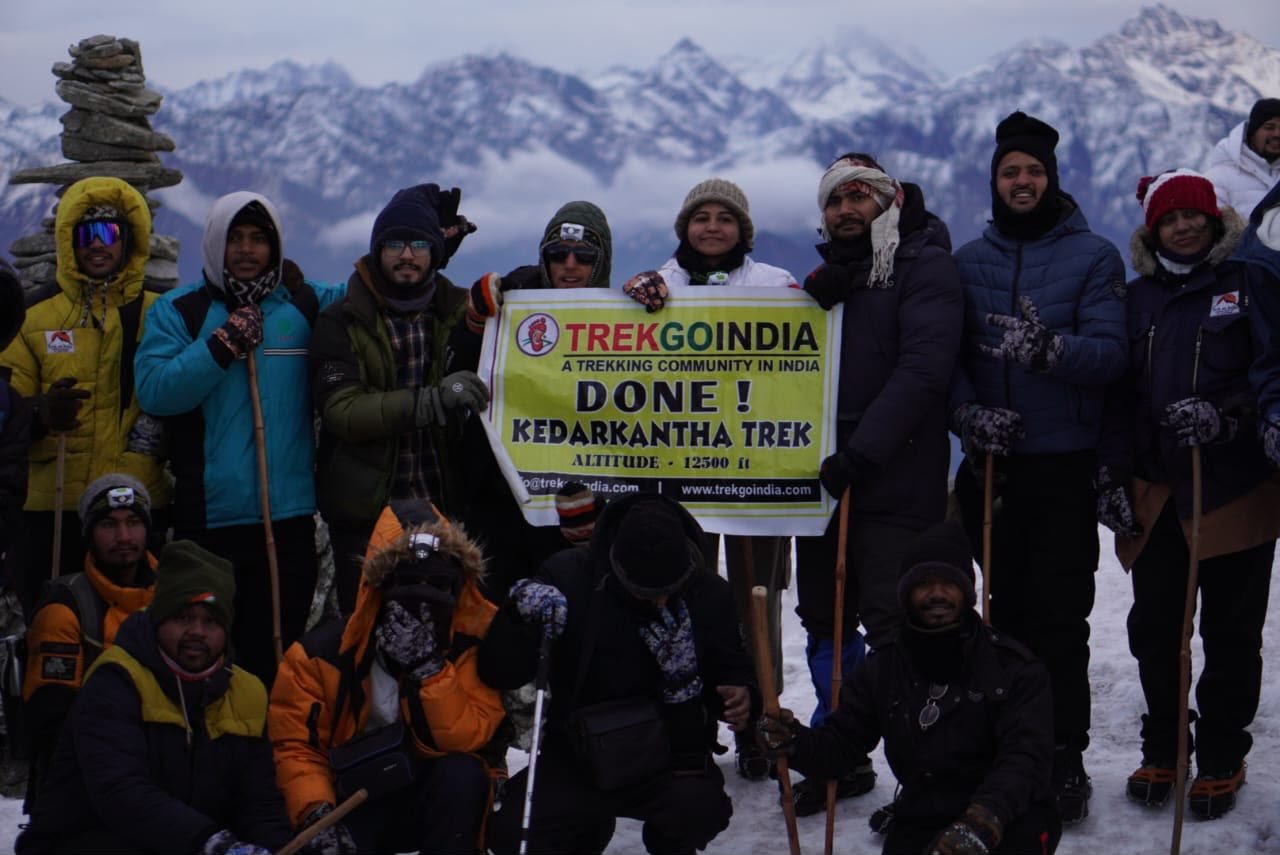
This is my first trek with trek go India & I'm happy to share that from the start till the end everything was well coordinated. The trail takes you through lush forest, and snow covered peaks offering you breathtaking views of the surrounding landscape. Amazing trek experience at Kedarkantha, I was a solo trekker I've met with lots of people & made friends, our trek guide was very jolly, kind & helpful. Food was good, accomodation facilities were good. Very happy & satisfied. thankyou trek go India . I highly recommended Jiya ParmarGood experience, good guide support
 Sharad GadhiyaBetter than other
 yogesh raiHad an awesome trekking experience at a beginner level! (TBH hard for me). Loved being part of the team, such a wild peak and an even more fun return journey.
 Ankit KumarGreat Trek experience as of Beginner+Moderate. Had great time being part of trek team. Crazy 🤪 peak and joyful return exprience (Specially Sliding in Ice turfs while returing from Peak 😠)
 Prince golakiyaamezing
 Akshil VaghaniVery nice service and very humble staff and Good recommendations from our side
 Vivek BishtOnce in a lifetime experience …. Great staff, great trek leader - Gopi bhai 💪🏻, great staff Amit bhai 🤜🏻🤛🏻 Thanks for the experience.